Acequia Quart

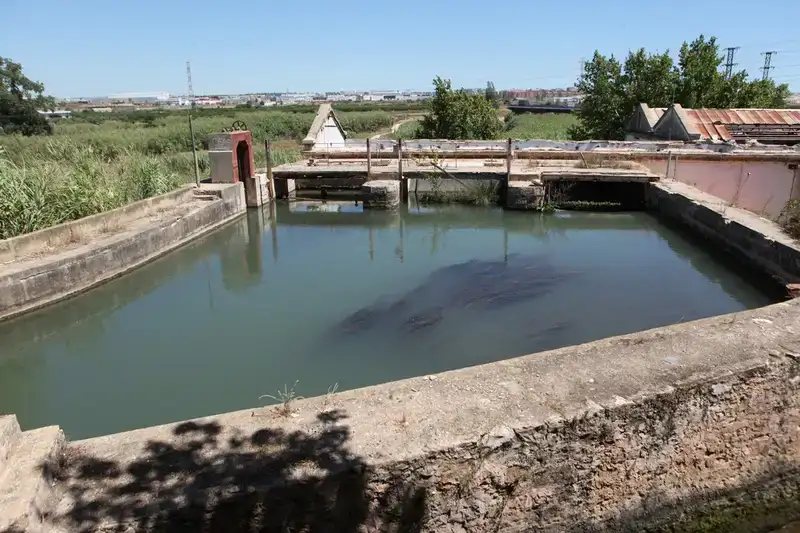
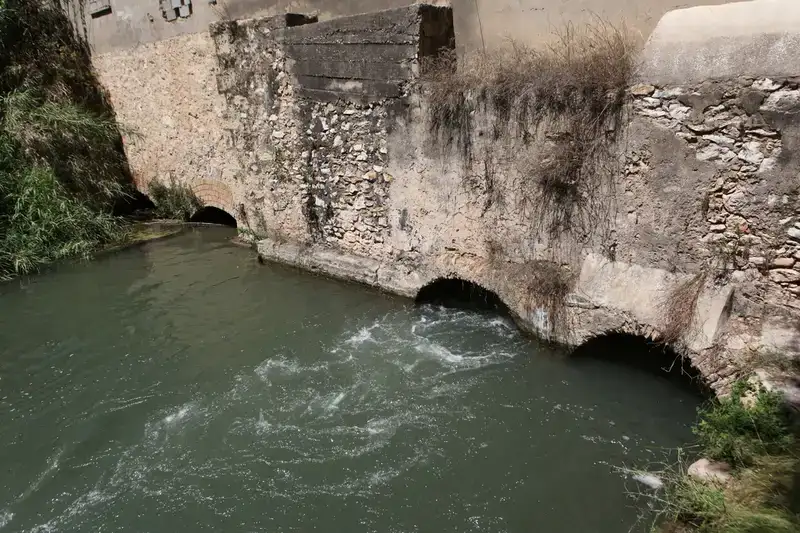
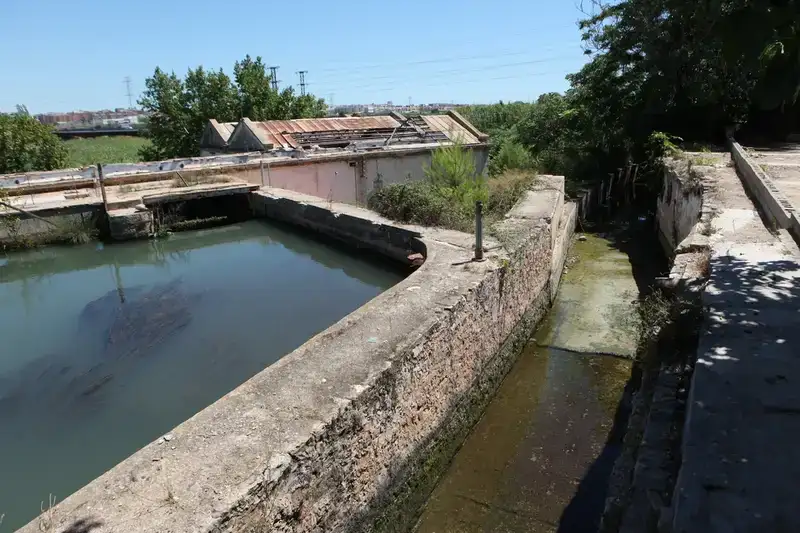
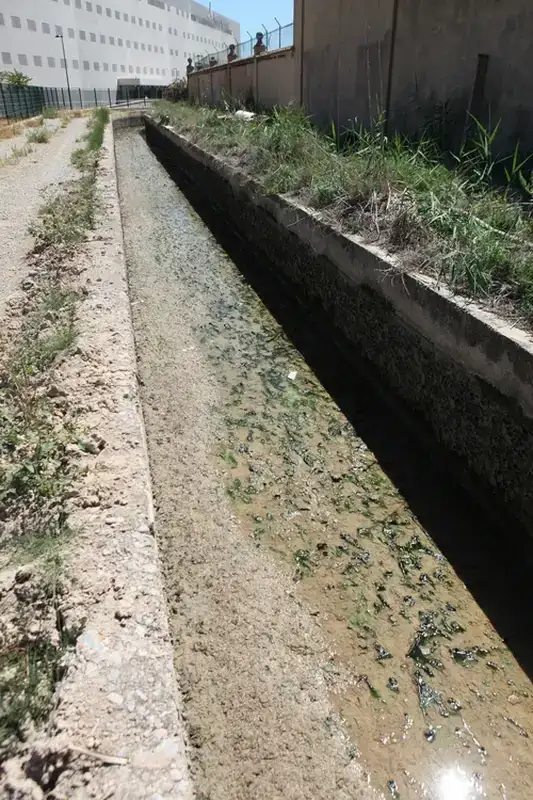
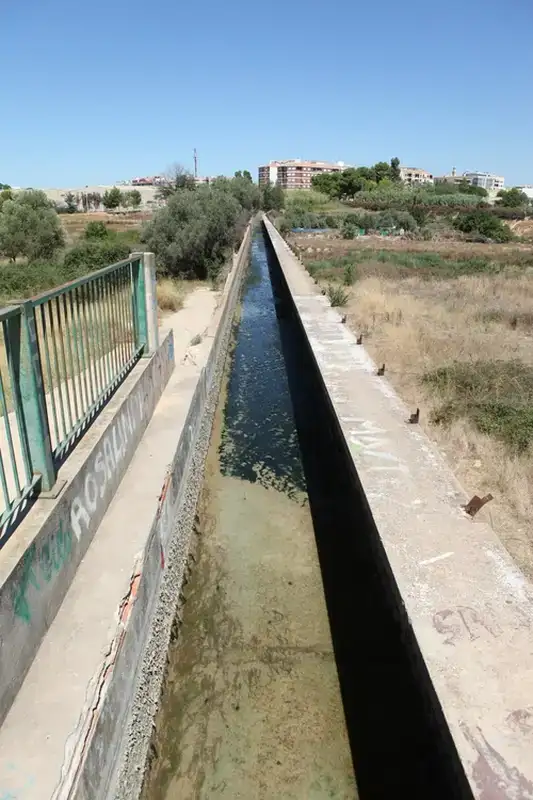
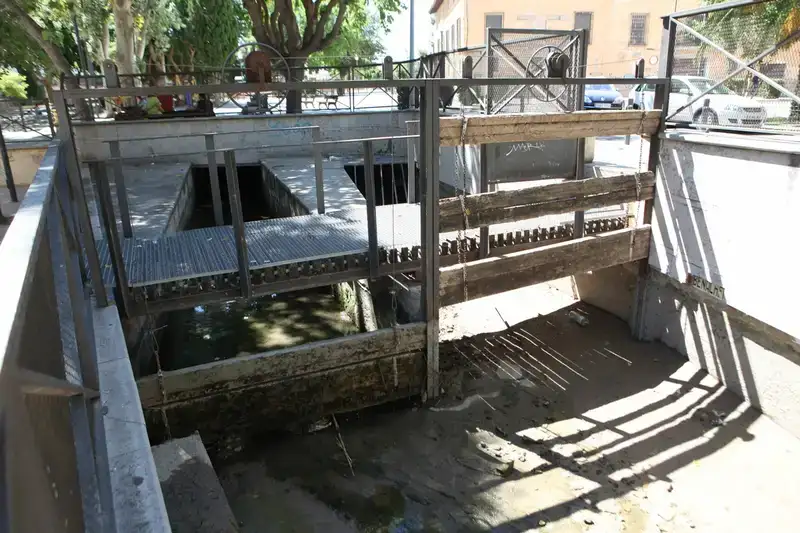
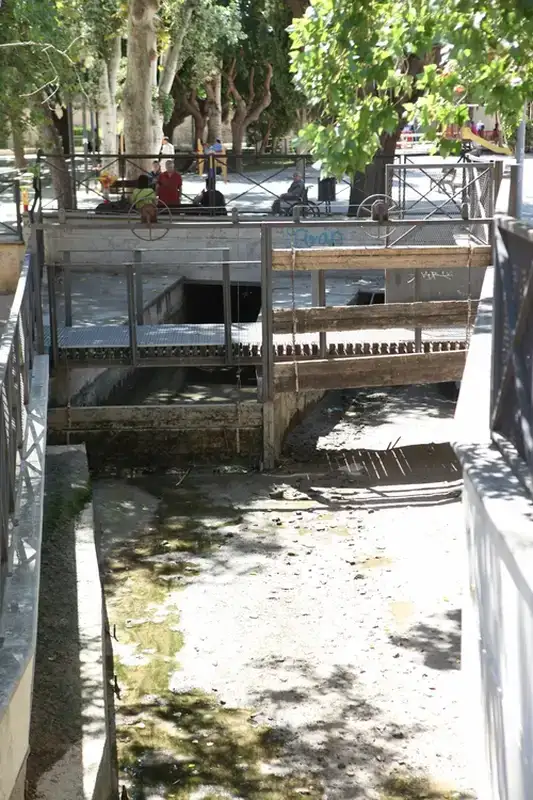
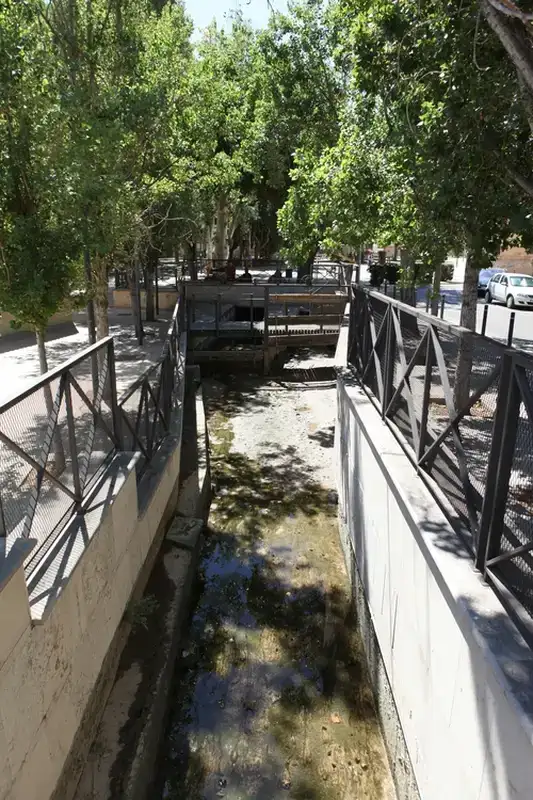
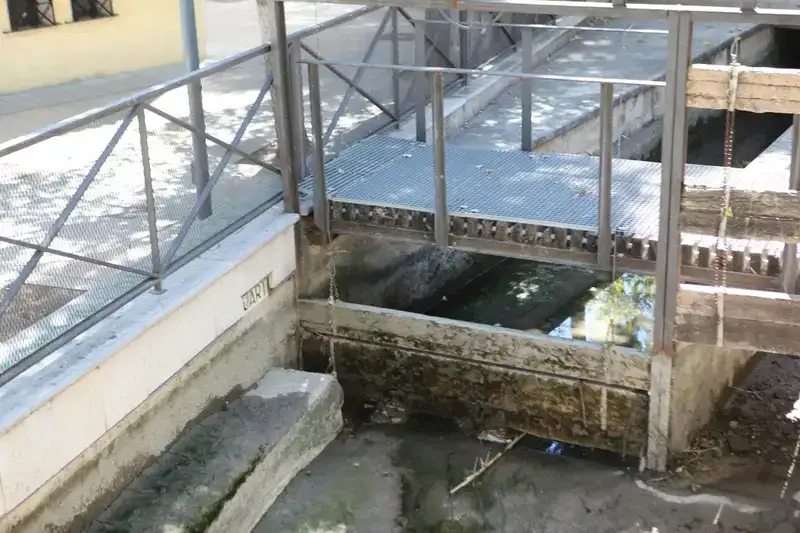
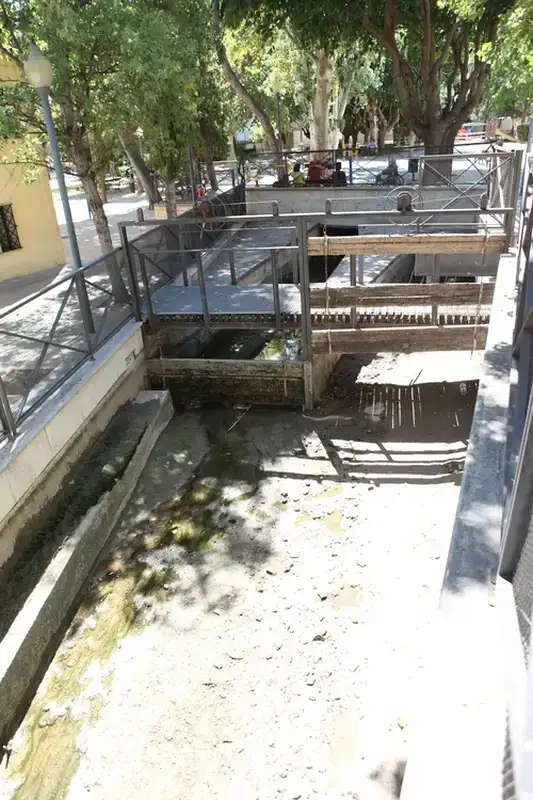
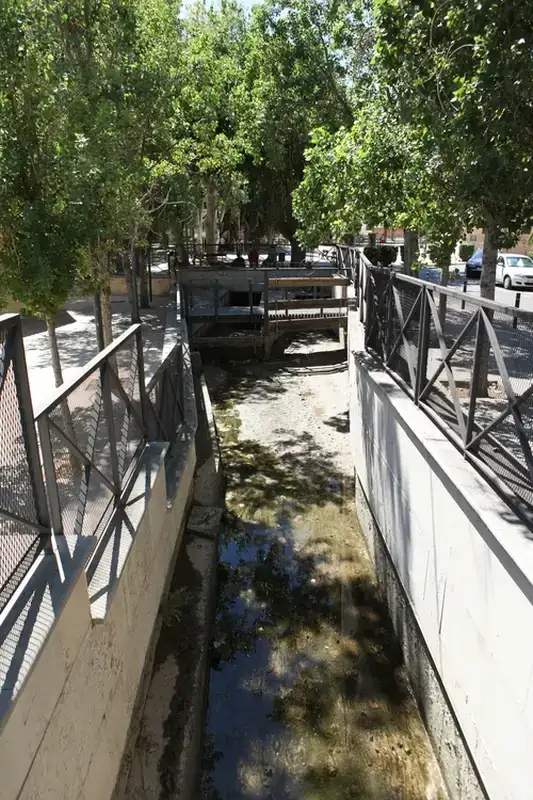
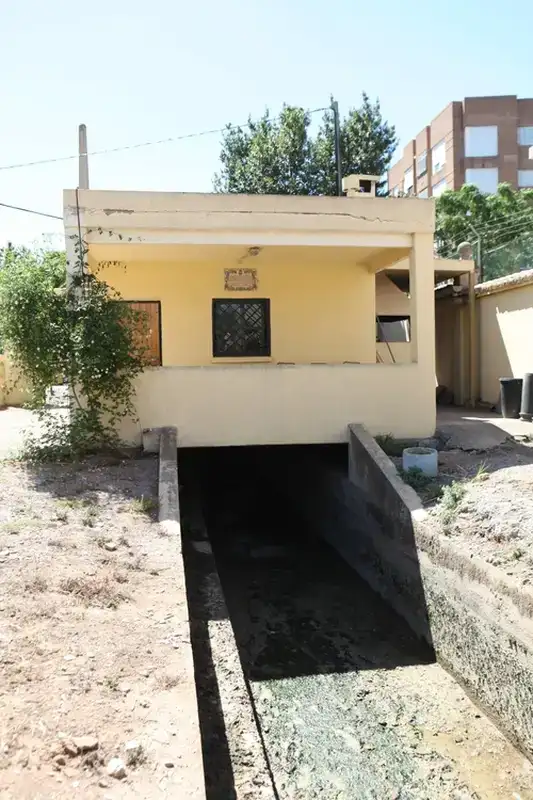
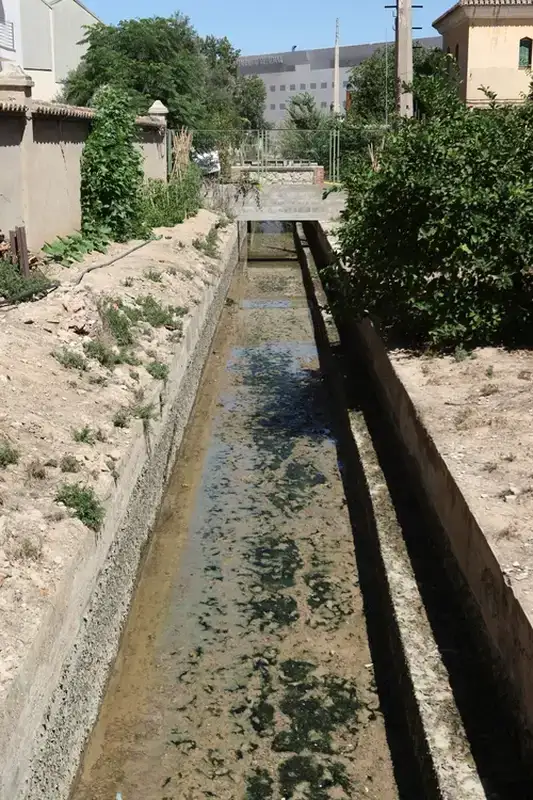
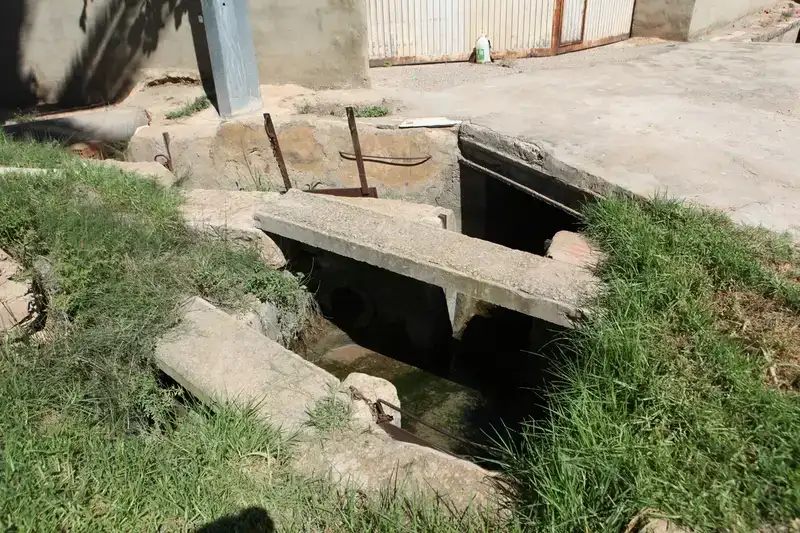
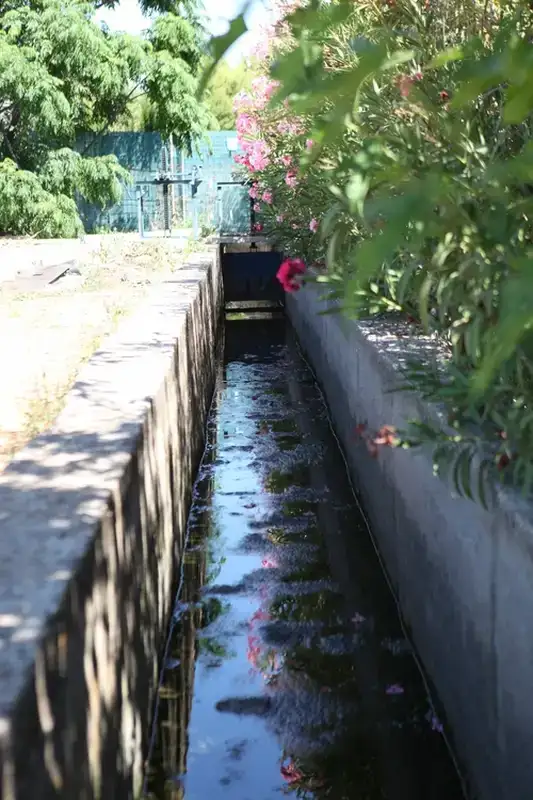
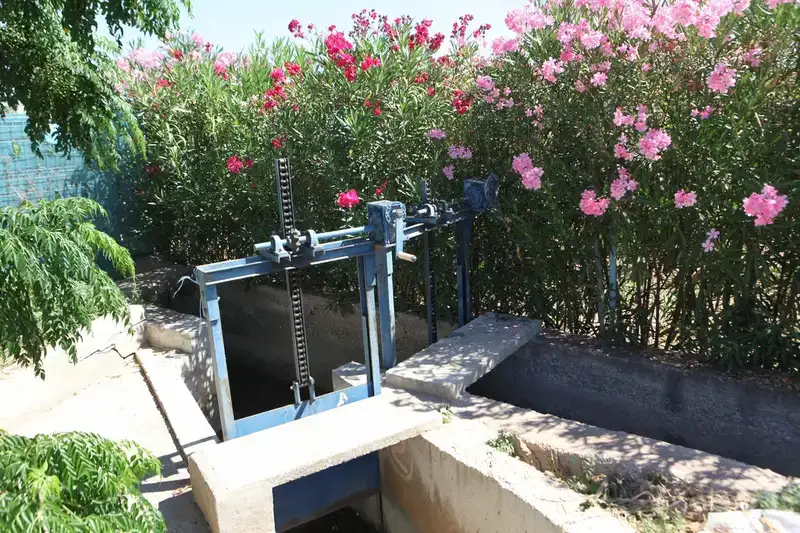
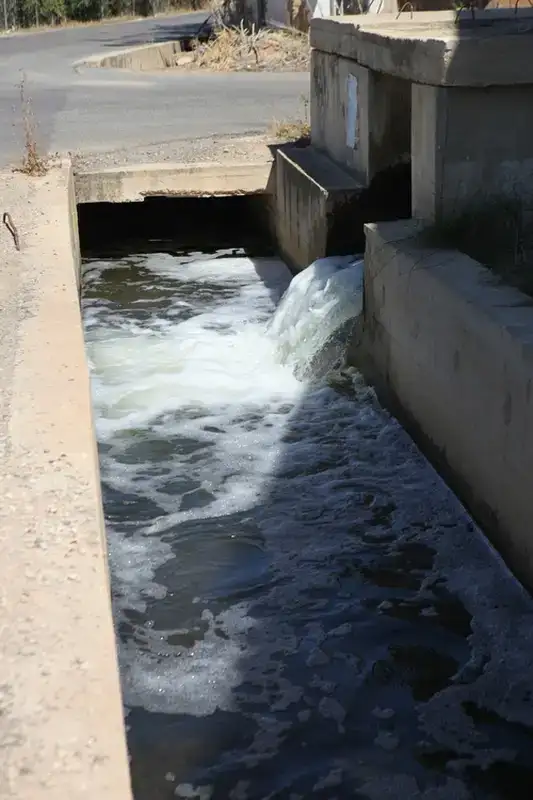
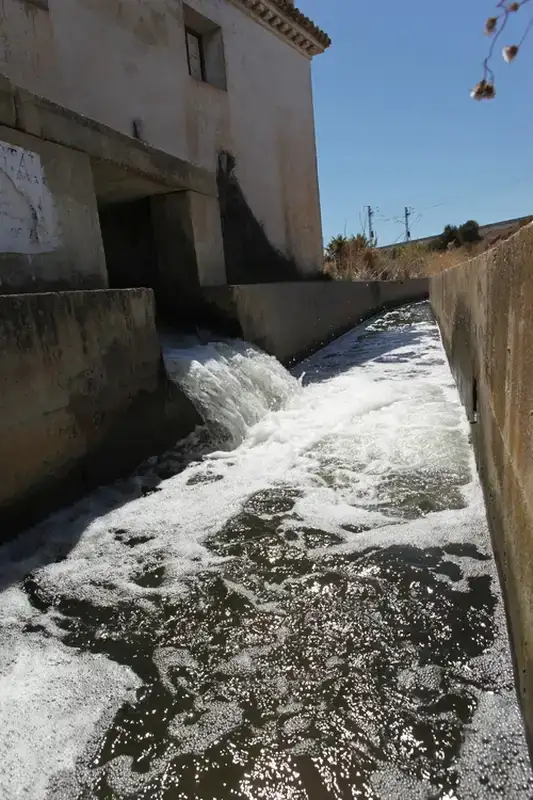
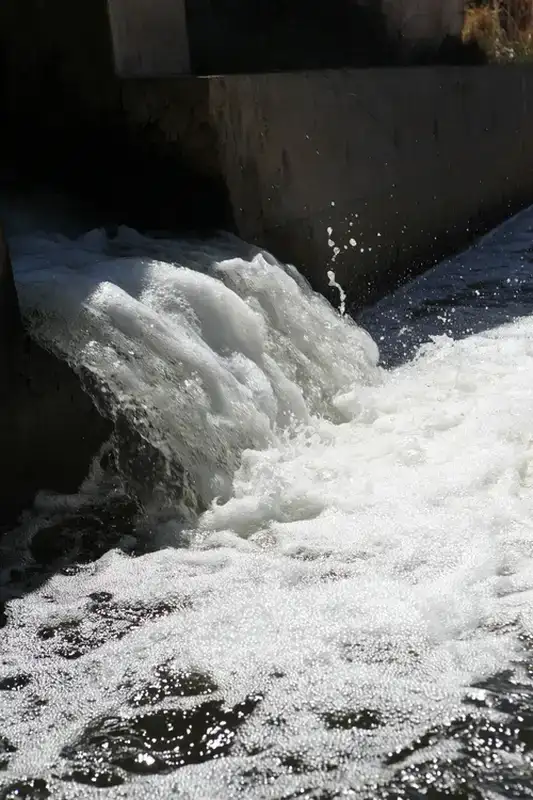
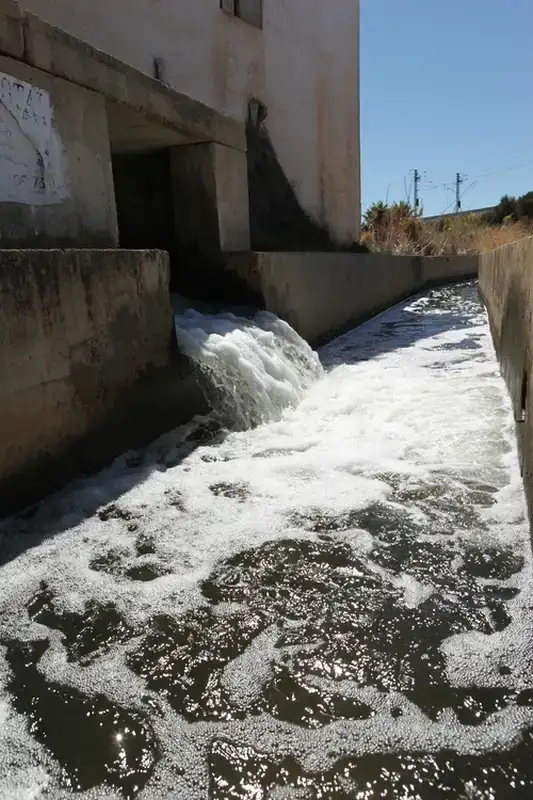
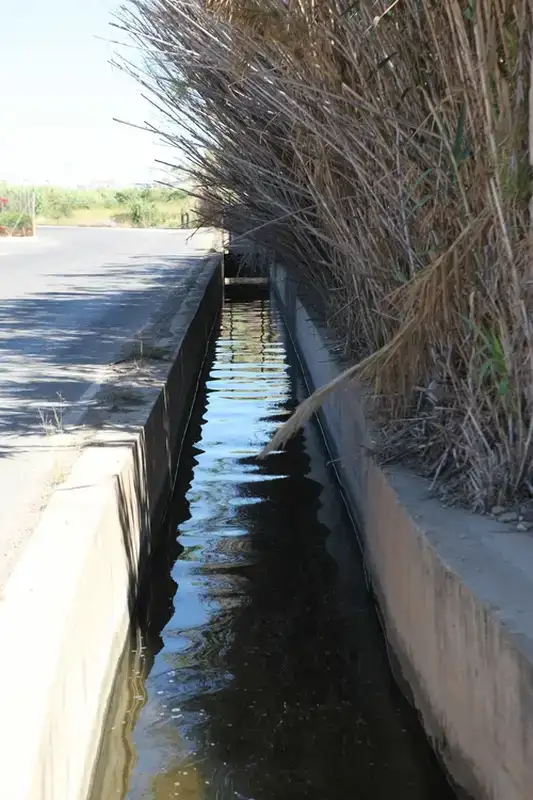
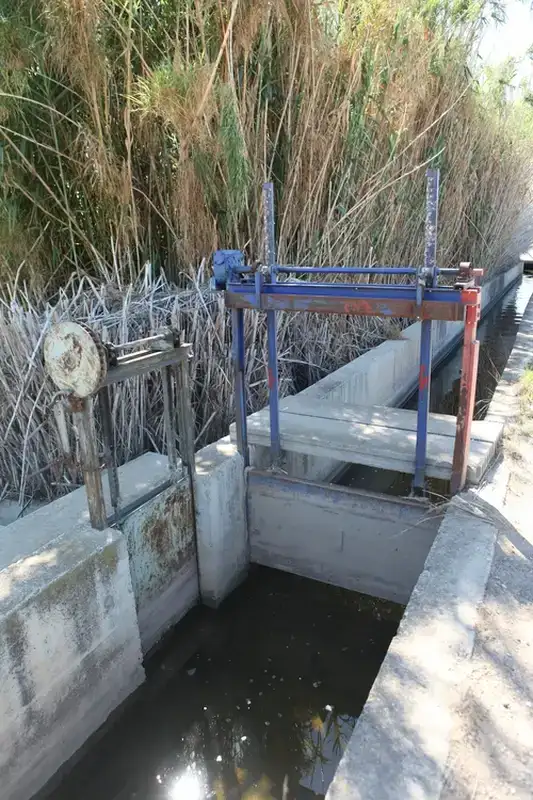
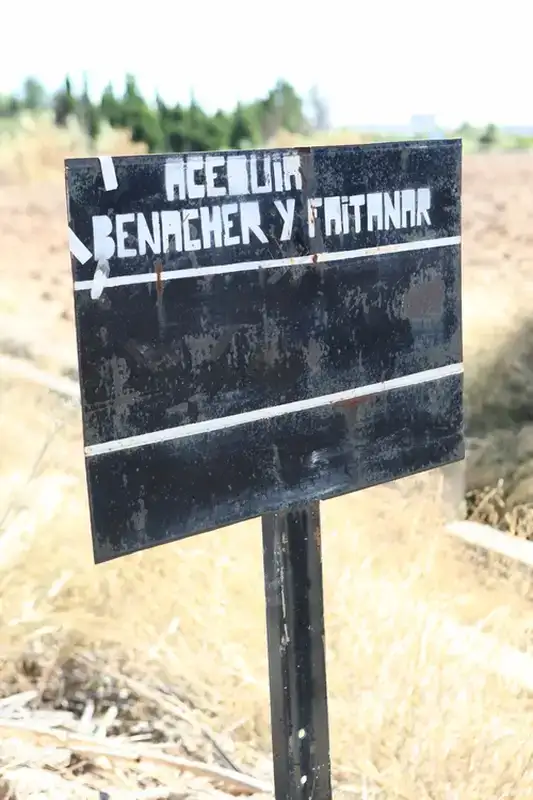
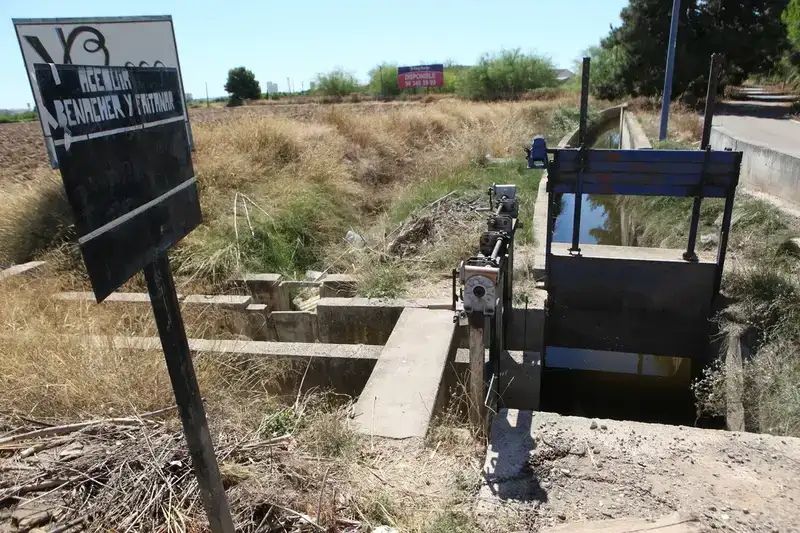
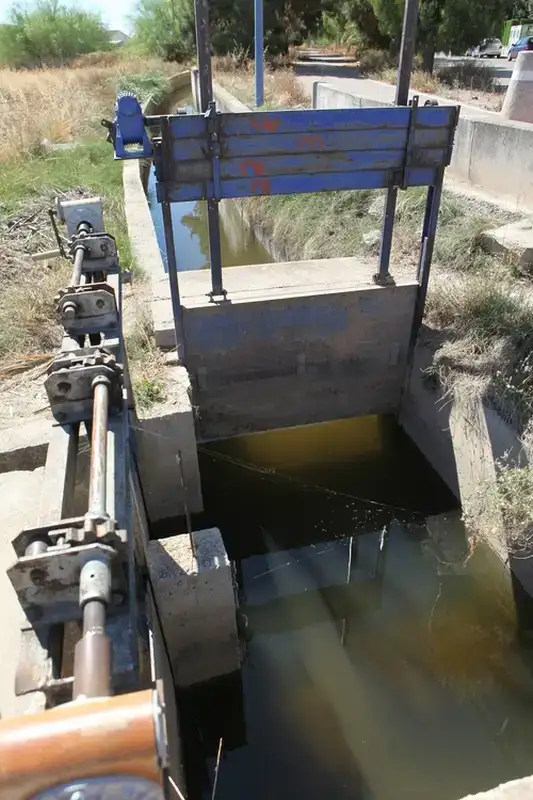
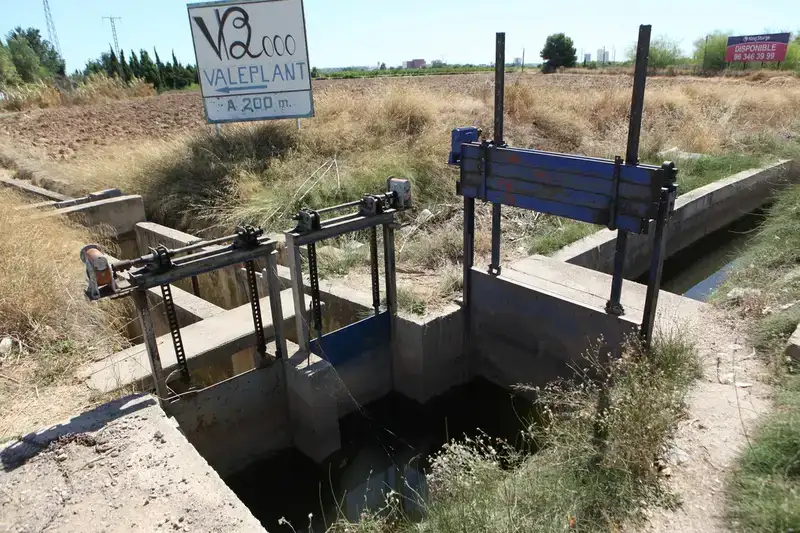
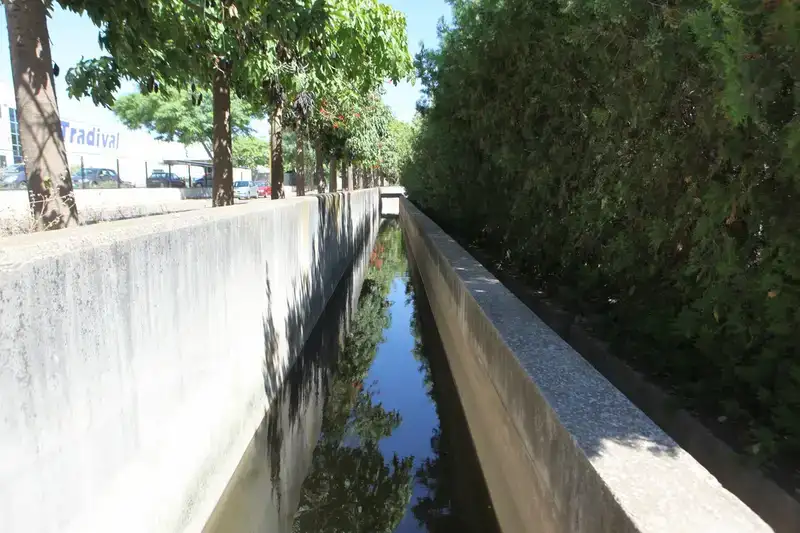
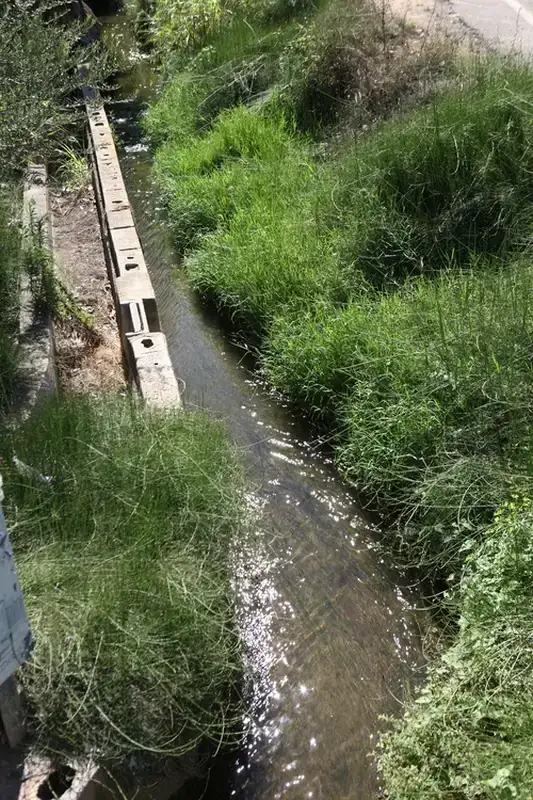
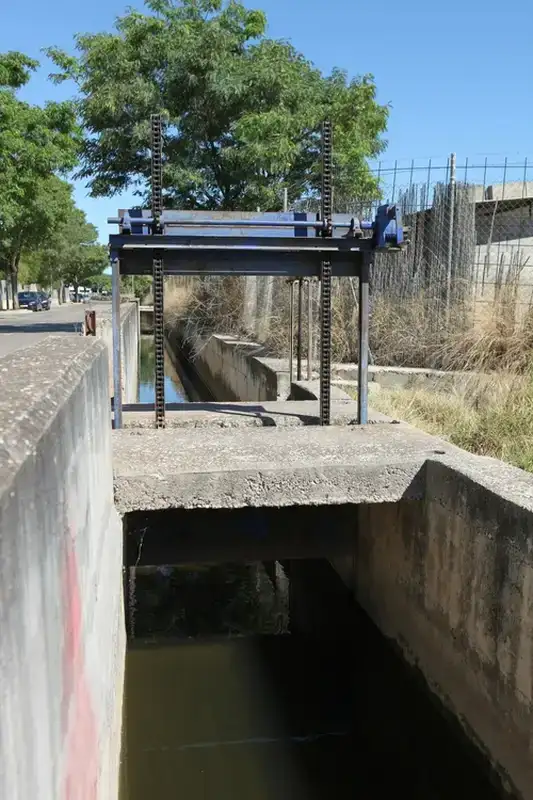
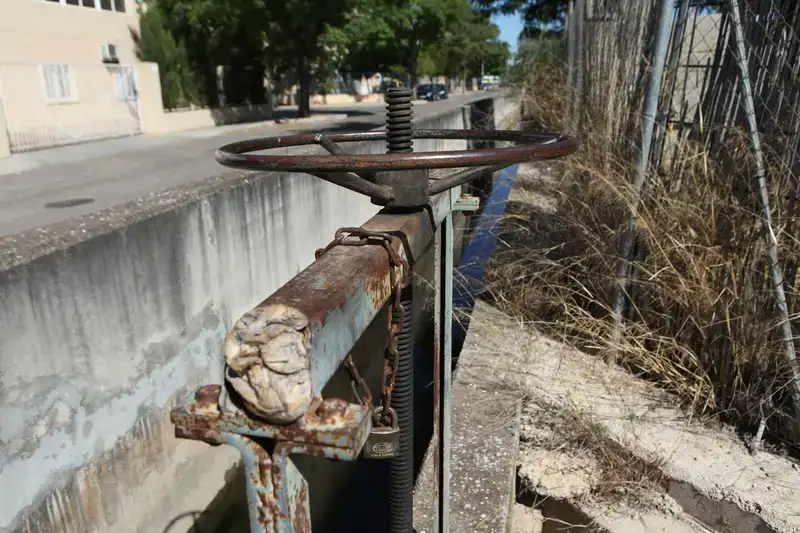
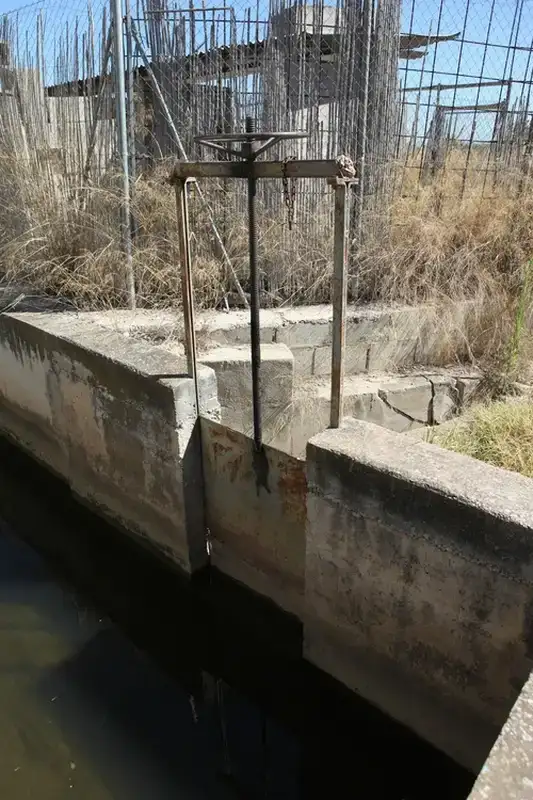
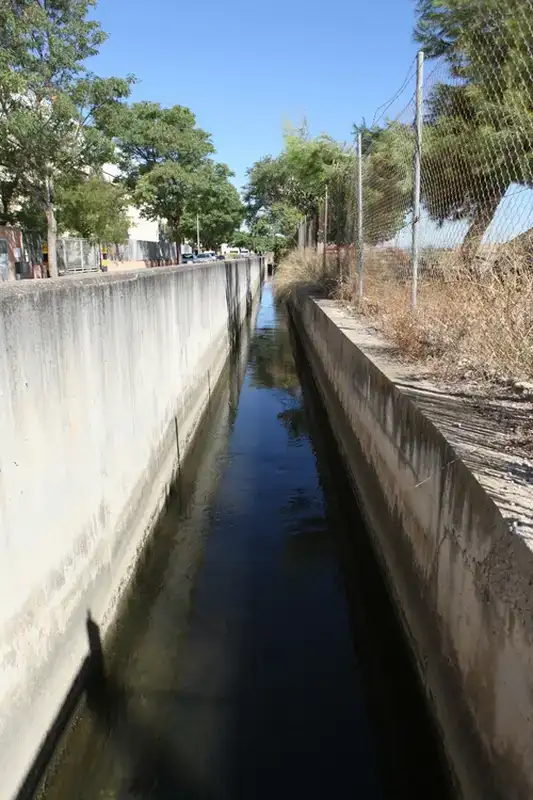
The main section of the Quart-Benàger-Faitanar irrigation channel runs through the municipality of Manises. At the height of the town center, it crosses the historic center and an old river terrace where, centuries ago, the traditional orchard of the municipality was developed, irrigated by means of open nozzles directly in the mother ditch. From one of these nozzles the independent irrigation ditch of Faitanar is born.
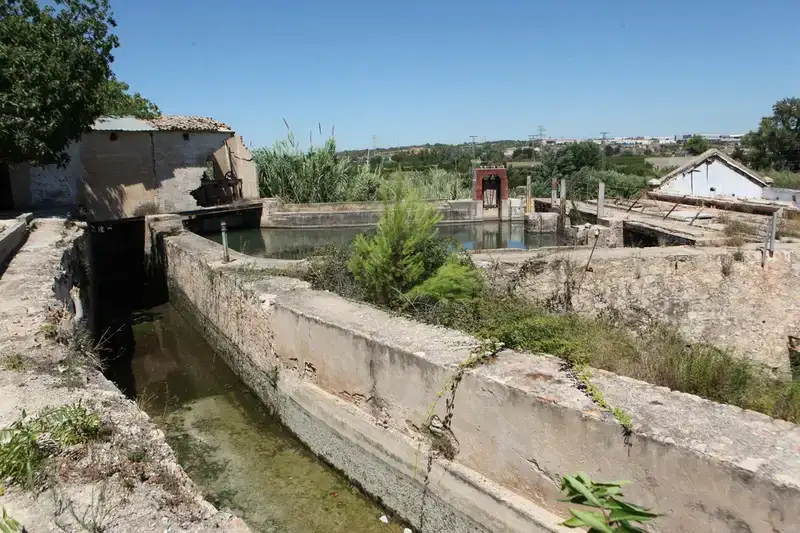
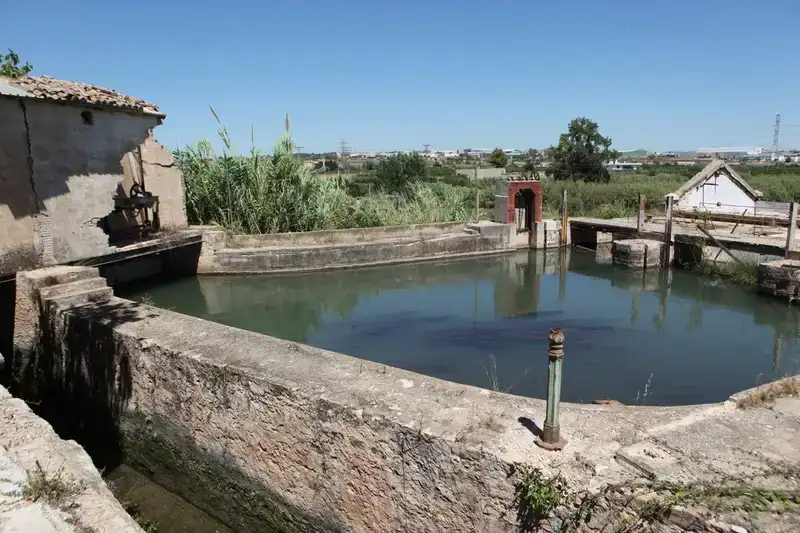
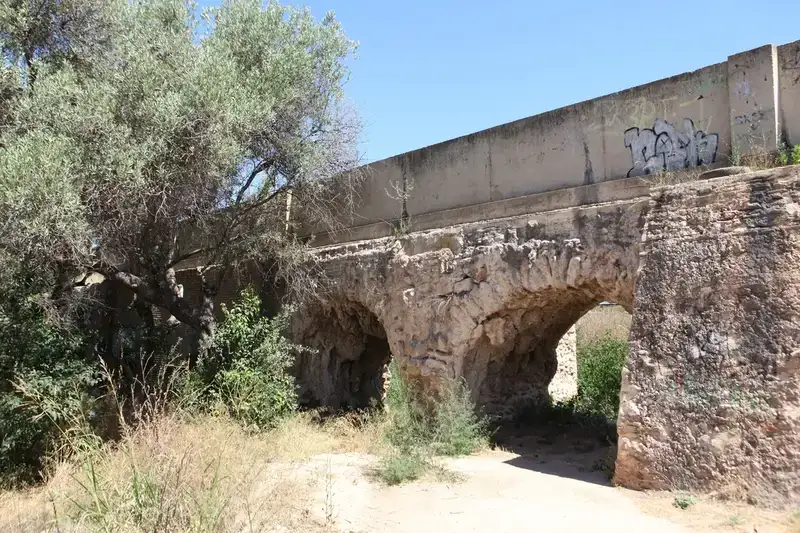
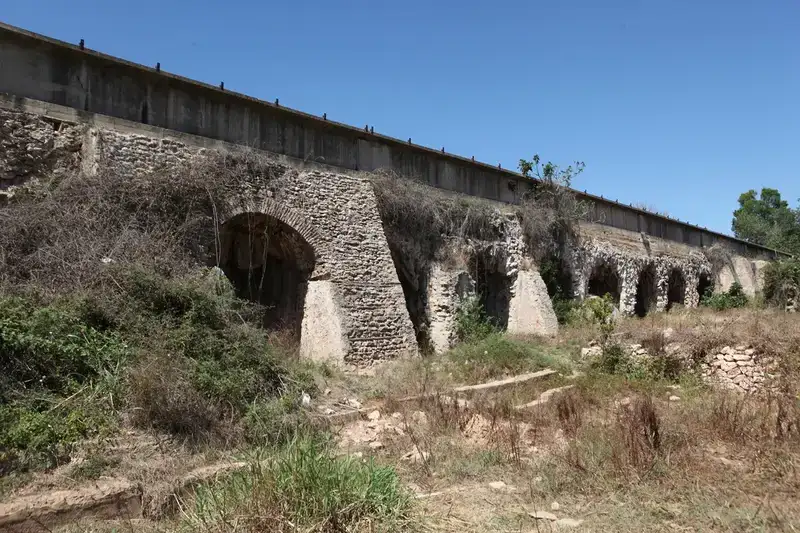
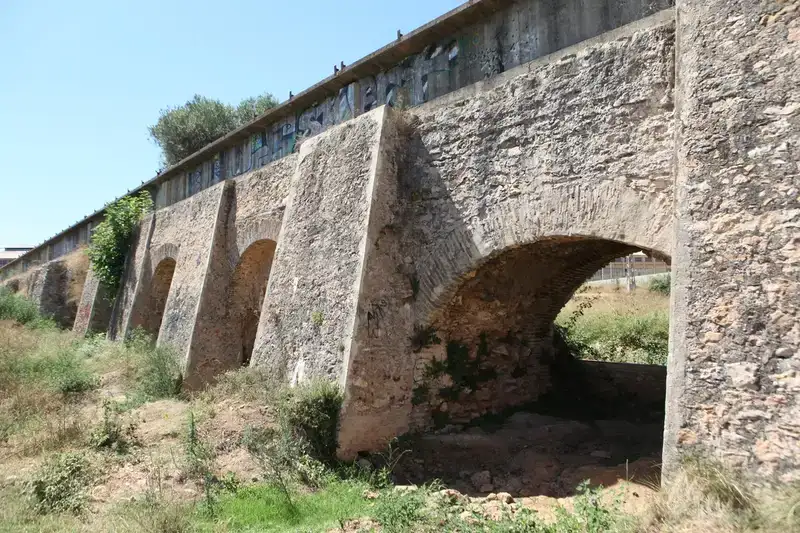
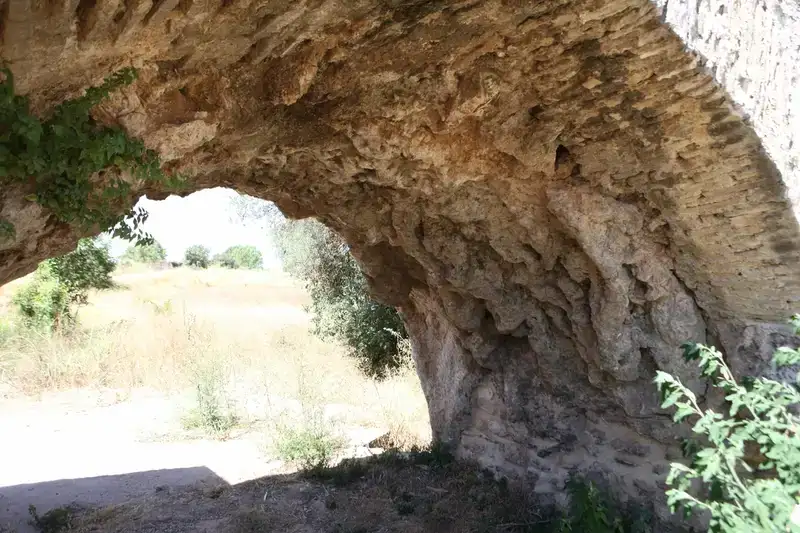
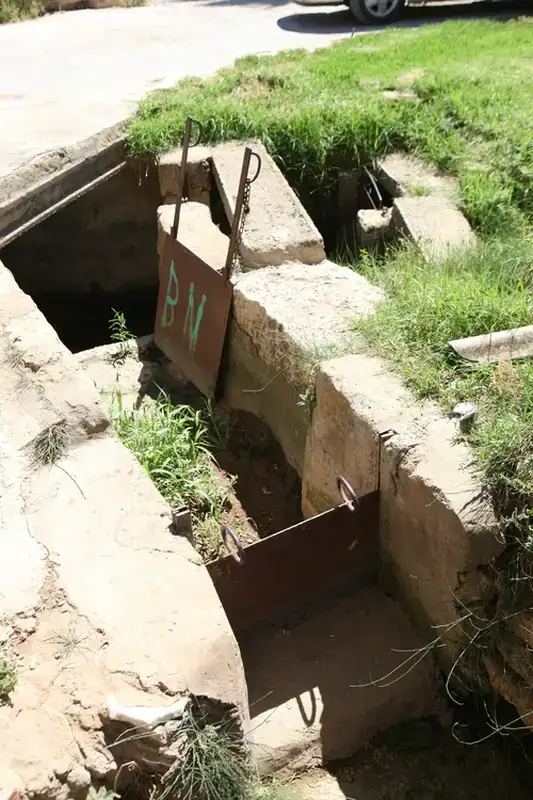
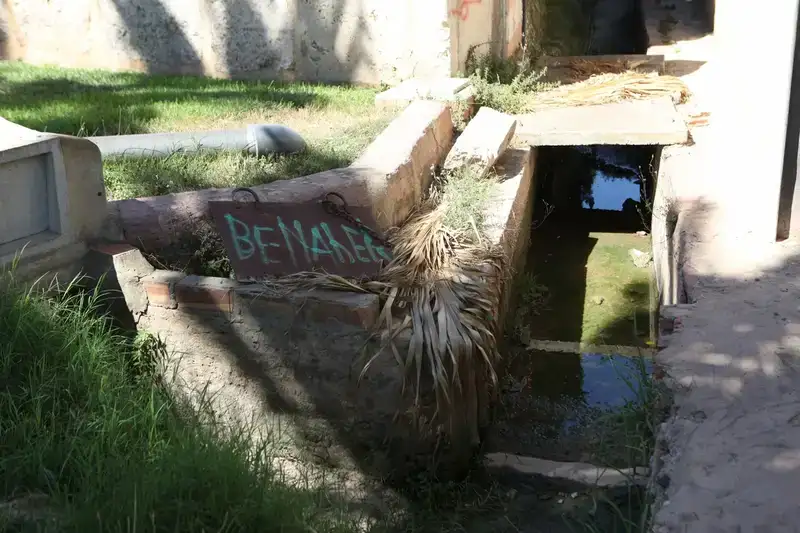
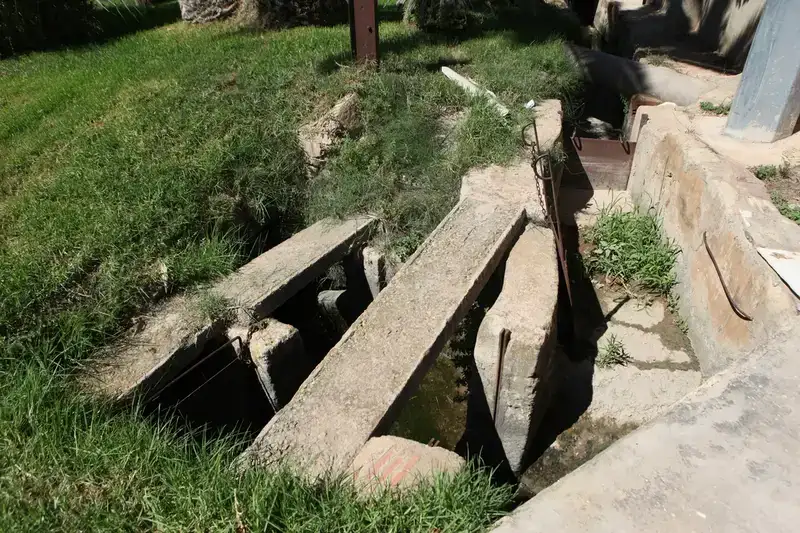
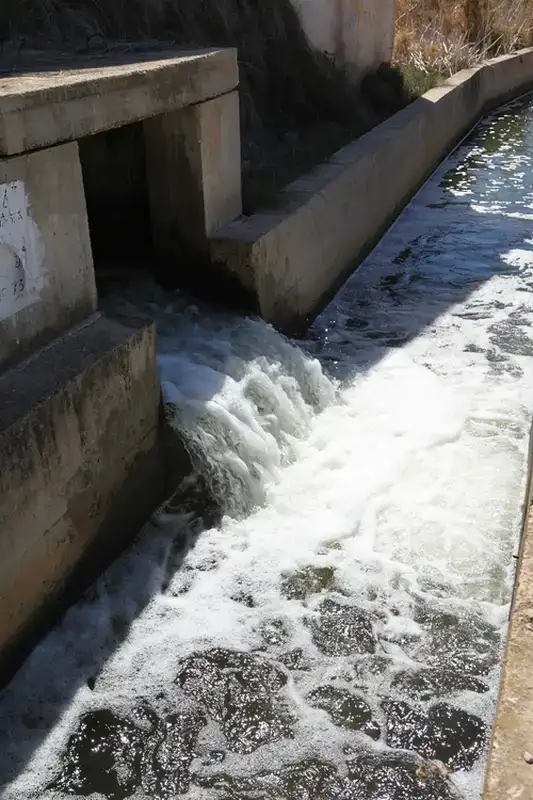
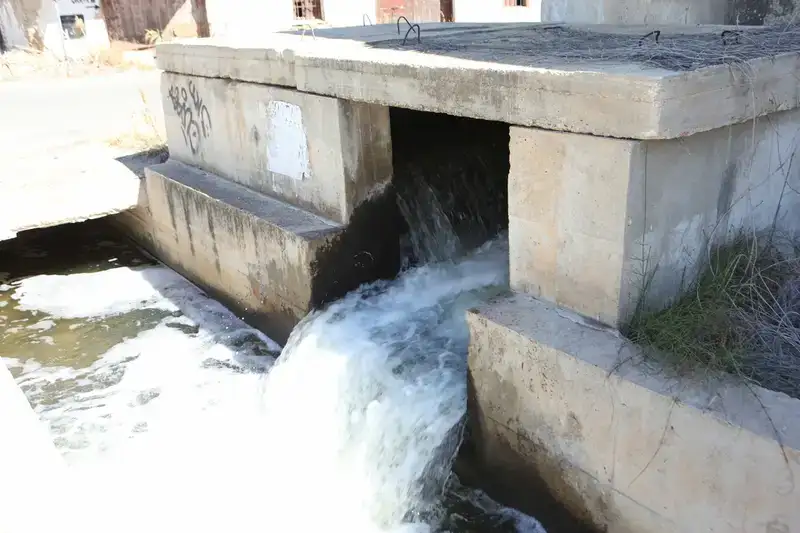
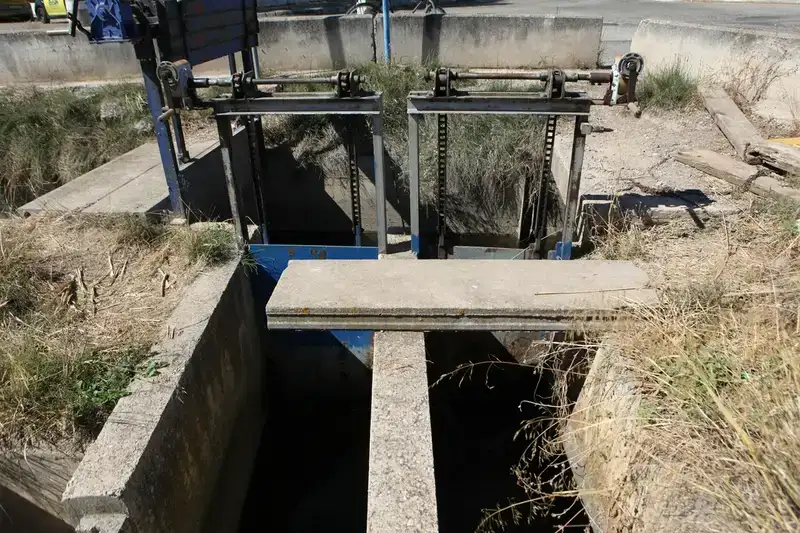
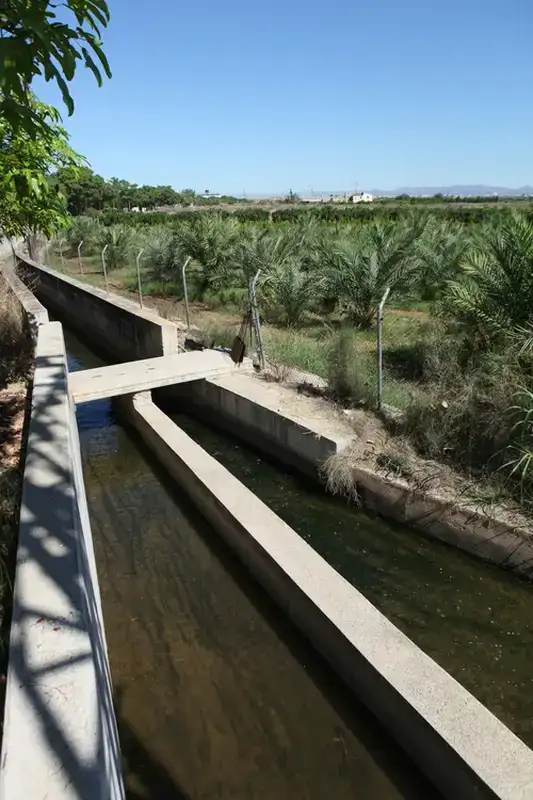
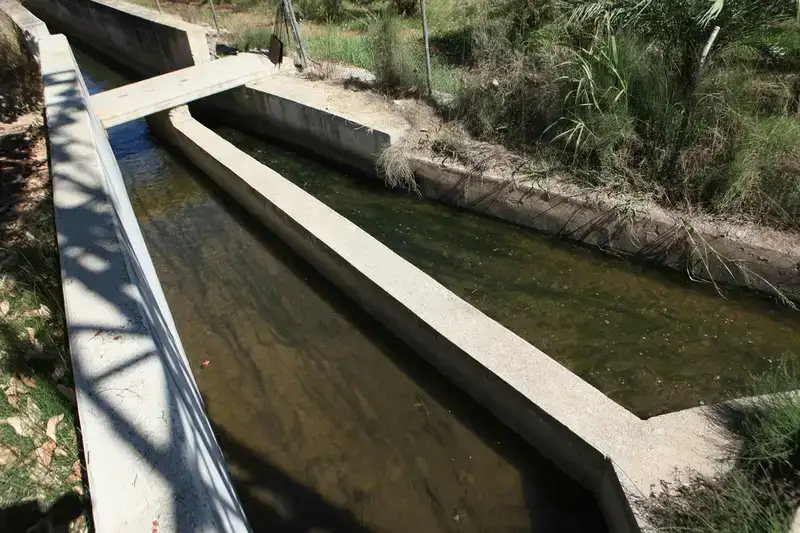
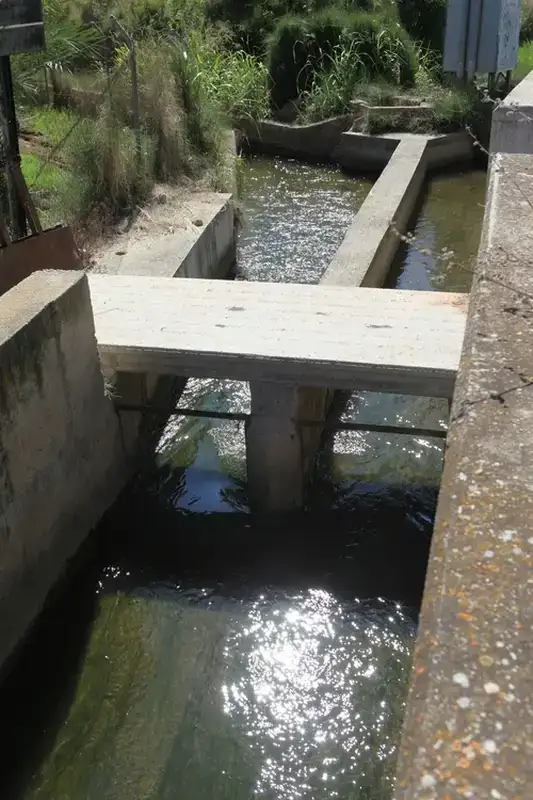
After passing under several old factories, the common irrigation channel turns south, goes up the Salt d’Aigua ravine and crosses it through an aqueduct of very ancient origin, the Arquets de Manises. It then enters the municipality of Quart de Poblet, where the flow is distributed between the irrigation ditches of Quart and Benàger, in the place called San Onofre’s tongues, next to his hermitage.
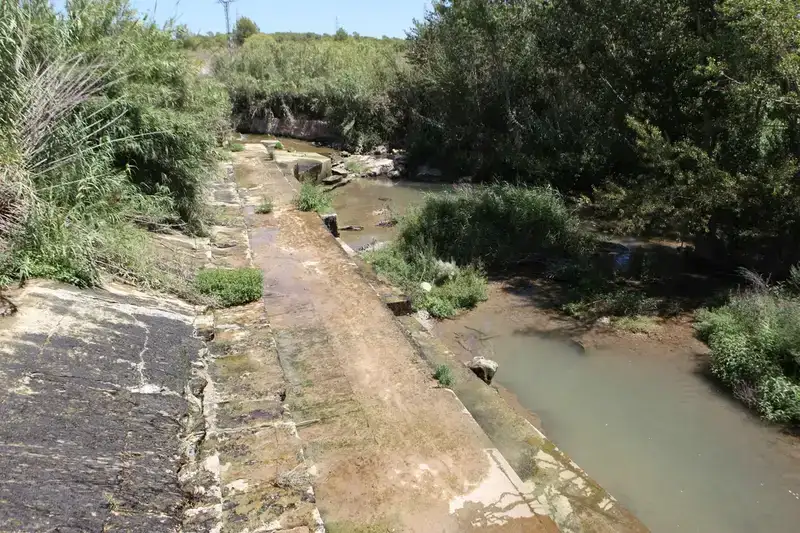
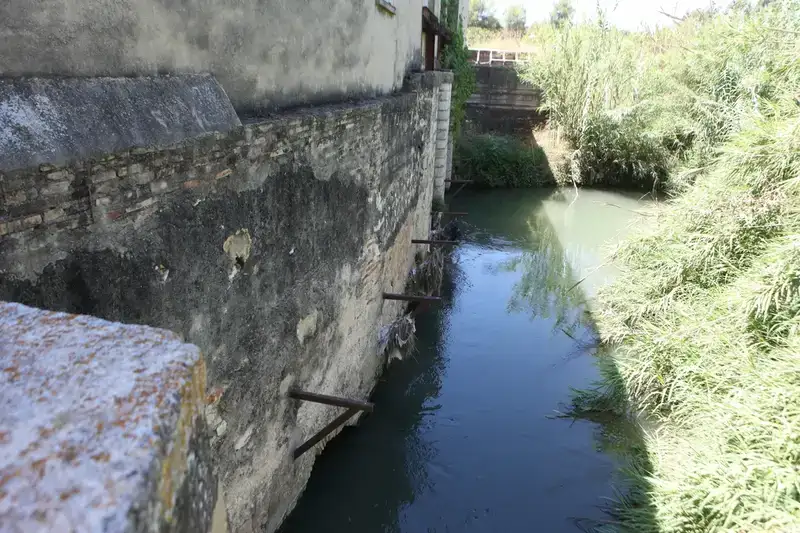
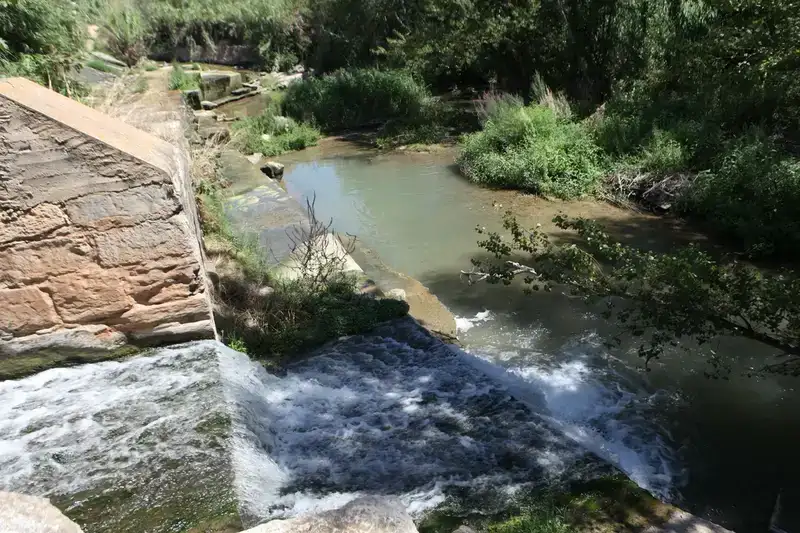
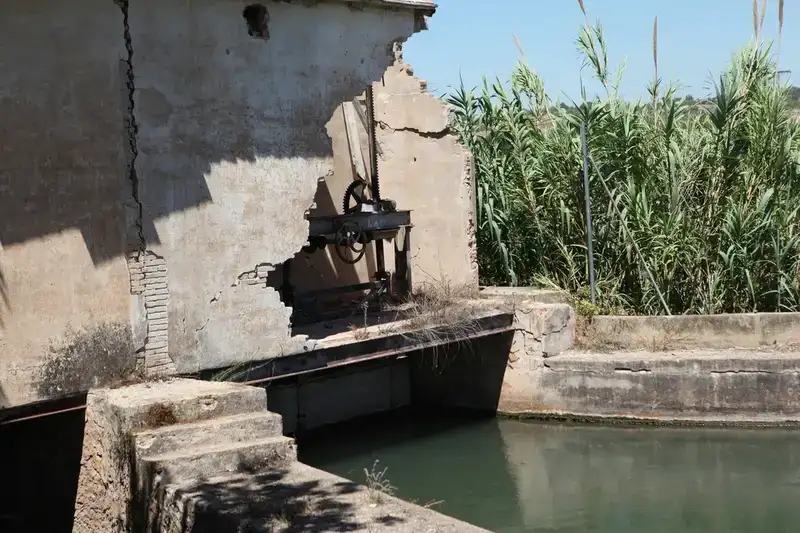
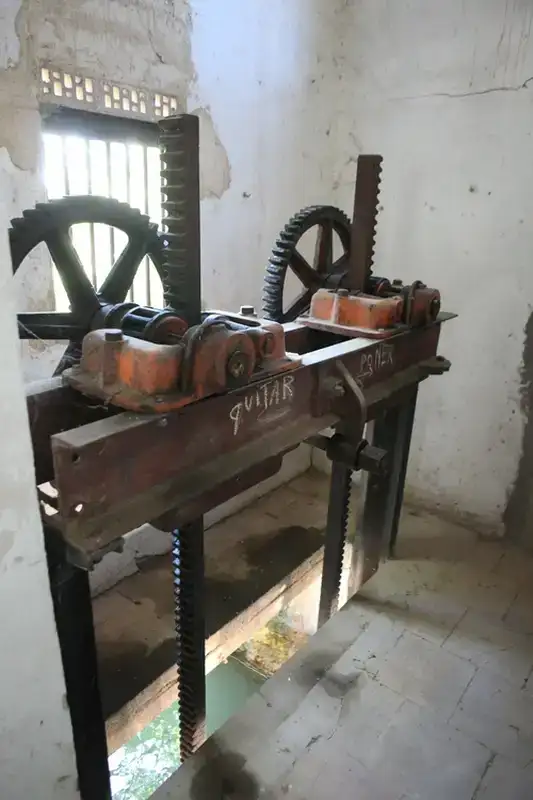
Elements of great heritage value are still preserved from this entire hydraulic system: the original historical weir -located about three kilometers from Manises and approximately 500 meters downstream from the Moncada weir-, the Arquets aqueduct, a hydroelectric plant from the early 20th century (next to the old Daroqui mill, whose construction implied the enlargement of the canal), as well as the tongues of the distribution system.
The Daroqui hydroelectric power station, built in 1905 and now in disuse, forced the canal capacity to be increased from the weir to the power station itself. The Quart and Benàger-Faitanar irrigation communities authorized the use of the water for electricity production, although they retained ownership of the resource.
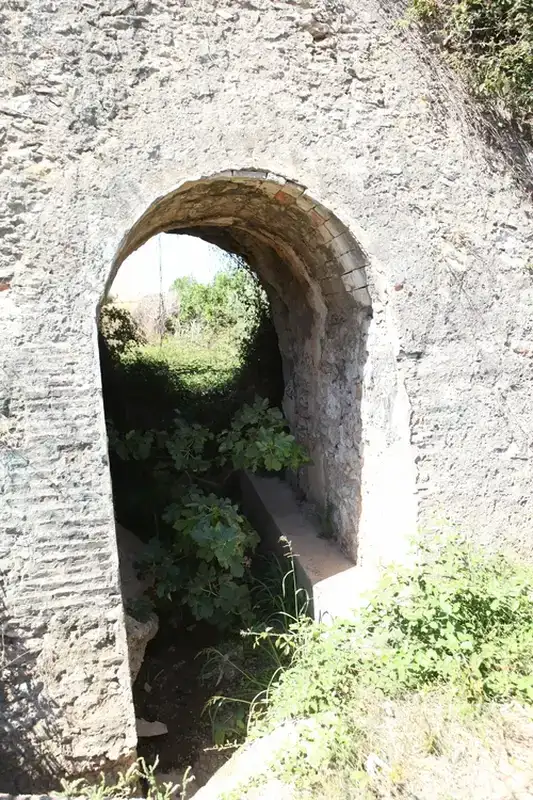
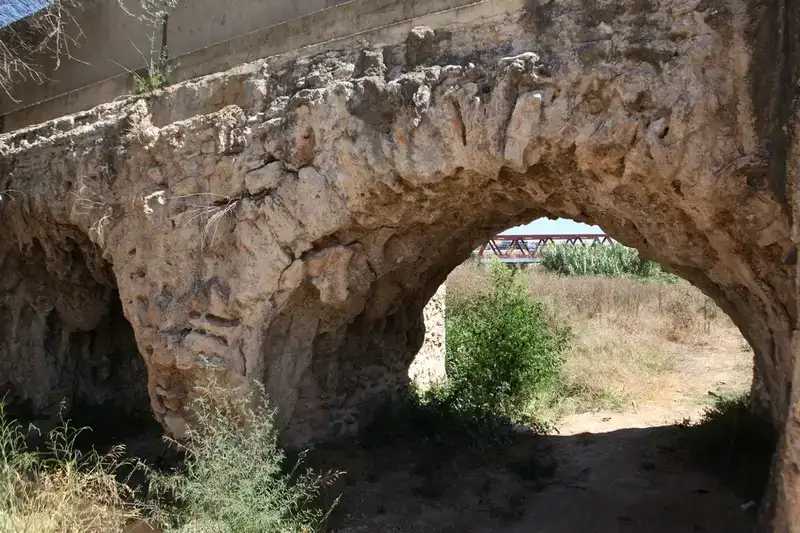
The Arquets aqueduct bridges the Salt de l’Aigua ravine, on the eastern boundary of the municipality of Manises and very close to that of Quart de Poblet. This infrastructure has historically aroused the interest of specialists and scholars, and its Roman origin is considered probable. With an approximate length of 230 meters, it is formed by 28 arches of different spans, reinforced and restored in different historical periods. As early as 1273, King James I mentioned its deterioration and the need to repair it. It is the largest hydraulic work linked to the irrigation ditches of the Vega de Valencia and the only large-scale aqueduct preserved in the region. Recently, as it was catalogued as a historic-artistic and protected moment, it was ceded to the City Council of Manises for its better conservation, with the obligation to respect its function as a water conduction aqueduct for the irrigation concessions of the Irrigation Communities of Quart and Benajer-Faitanar.
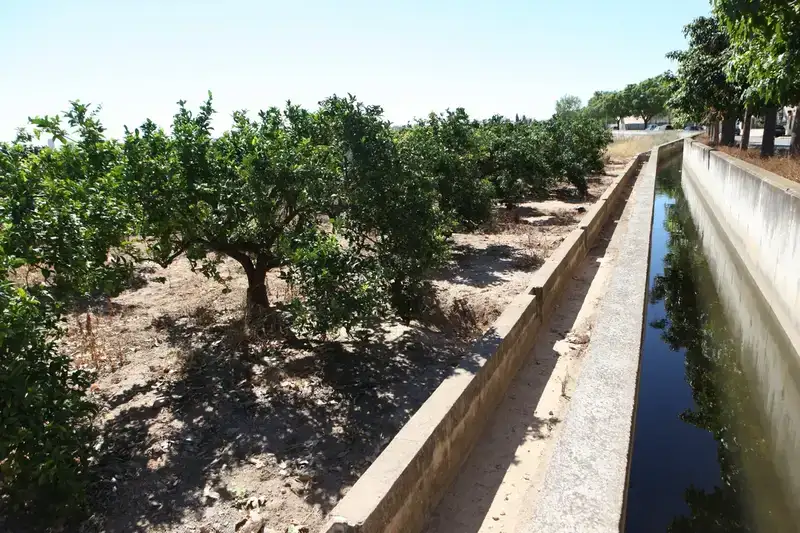
Today its irrigation jurisdictional area is mostly limited to the existing orchard between the National or A III and the municipality of Aldaia, the Bras Fora, irrigation of Tuesday, roll del Mig and Divendres among others, including land in the municipality of Aldaia, as well as land on the other side of the New Riverbed in the municipality of Quart de Poblet in the Alitrá area.
Its Ordinances were approved by >Auto of December 2, 1709 promulgated by the lawyer and attorney of the royal councils and mayor of the City of Valencia and on behalf of his majesty Philip V.