History
The Water Tribunal of the Vega of Valencia is the oldest existing institution of justice in Europe. While it is true that, since Roman times, there was already some legal institution that resolved water-related disputes in the lands of Valencia, the Water Tribunal dates back to the period of Al-Andalus and, most likely, to the era of the Caliphate of Córdoba, refined from the earliest moments of King James I’s conquest of the Kingdom of Valencia.
The model of justice it represents, recognised by all ideologies, cultures and peoples that shape the rich Valencian identity, has withstood the passage of time. Neither the Valencian fueros, nor the new Bourbon-style centralism, nor the Cortes of Cádiz of 1812 reduced this tribunal’s jurisdiction—a tribunal that the Spanish Constitution of 1978, our Statute of Autonomy, UNESCO, as well as other international bodies, value and hold in high regard.
The scarcity of irrigation water in the fertile Vega of Valencia highlights both the virtues of the Valencian huerta and the need for a wise, equitable and fair distribution of the water that had to reach 17,000 hectares of irrigated land through a complex system of main canals, with their branches and offshoots (“sequiols” and “sequiolets”), which drew water from the Turia River. From this arose the concept of the “fila” (etymologically, ‘a part taken from a whole’), which is not a fixed volume of water but varies according to the river’s total flow.
There are precisely eight main canals that take water from the Turia River through their weirs. On the right bank: Quart, Benácher y Faitanar, Mislata-Chirivella, Favara and Rovella; on the left bank: Tormos, Mestalla and Rascaña. They are responsible for drawing from the river the corresponding share of the 138 filas into which the water is distributed at the point where the first canal begins, that of Quart; in this way, the water reaches the last of them and fertilises the corresponding fields without being disadvantaged by their geographical location. Today, the changes brought about by the construction of the new Turia riverbed under the Solución Sur have altered the system of weirs with the appearance of the Azud del Repartiment (‘La Cassola’), from which the canals of Rascanya, Robella and Favara take water, in addition to the Acequia del Oro.
However, the organisation of irrigation requires an institution to oversee the administration of water, adopting certain rules with which the wisdom and experience of the huerta farmers have endowed it.
The canal communities are governed by old ordinances, passed down orally since Arab times and written down since the beginning of the 18th century.
It is the governing board (democratically elected from among all members of the Community, as is its trustee-president) that ensures strict compliance with the rules on which this tribunal is based.
To be part of this institution, members must be farmers, direct cultivators of their land, and have a recognised reputation as an “honourable man”.
The trustee and the board members are assisted in their work by a very important figure in this area: the canal guard. Being a guard is more than a job; it is commitment, loyalty and honour. The person who serves as guard is responsible for ensuring that water reaches all farmers according to their turn or irrigation round and is therefore the one who must report any infringements, if any, so that they may be brought before and judged by the Water Tribunal.
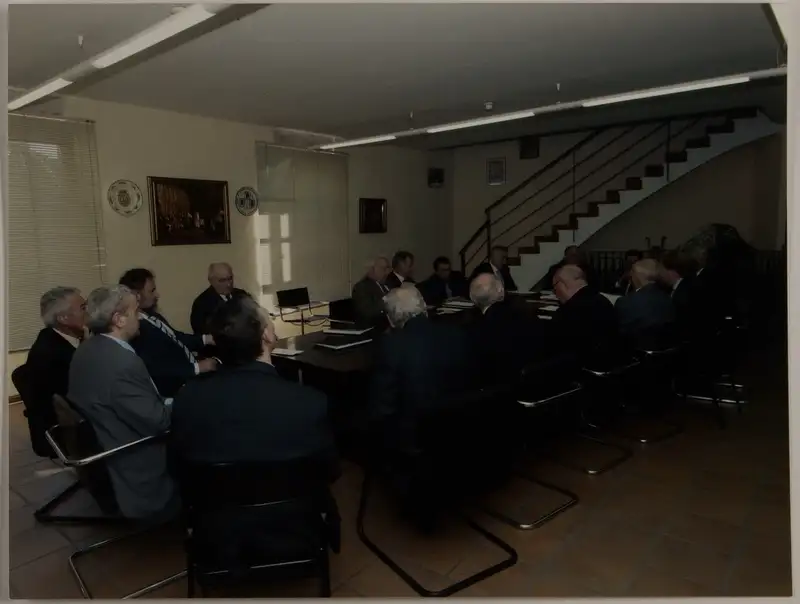
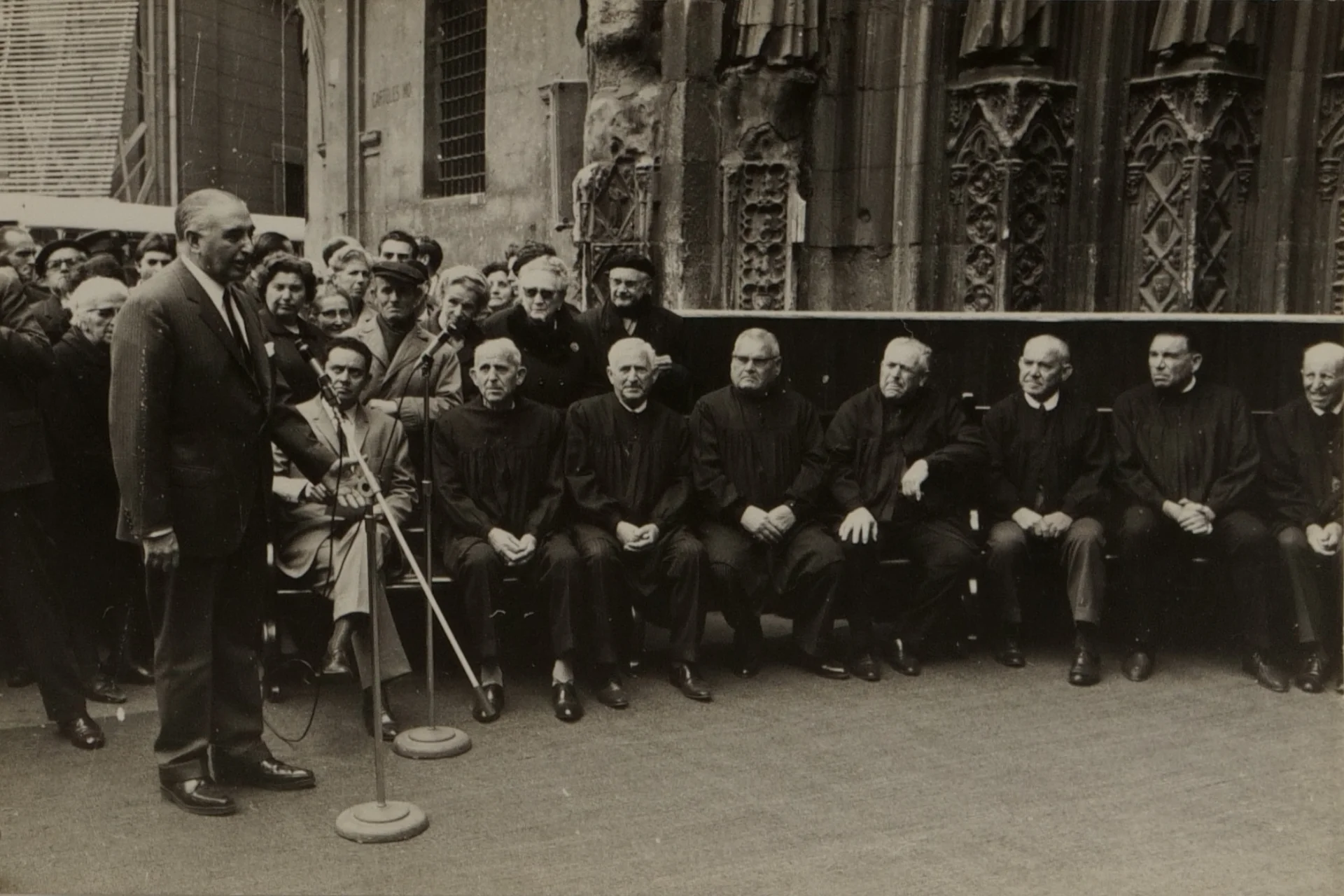
The Water Tribunal is therefore made up of the trustees of the eight canals. It has a president, who is also a trustee and is therefore elected from among the canal trustees, and is elected every two years.
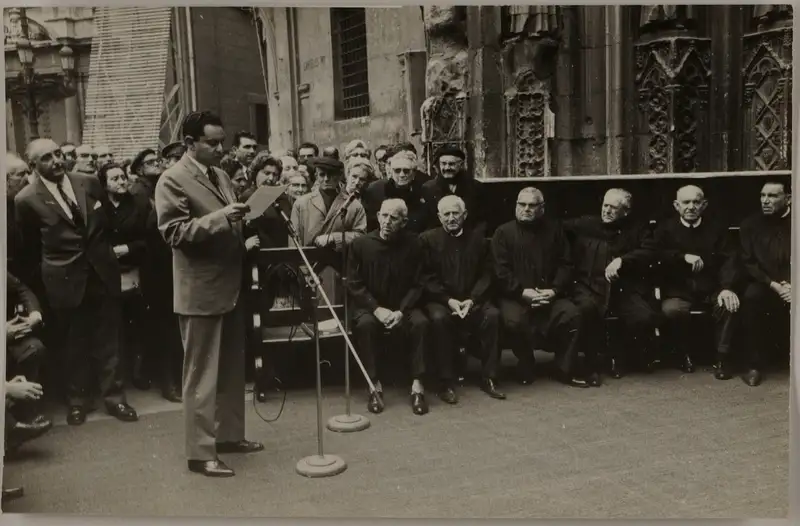
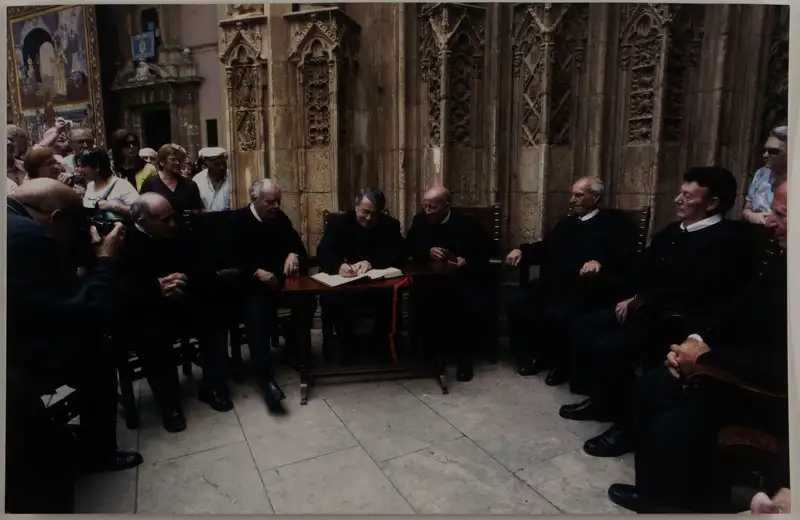
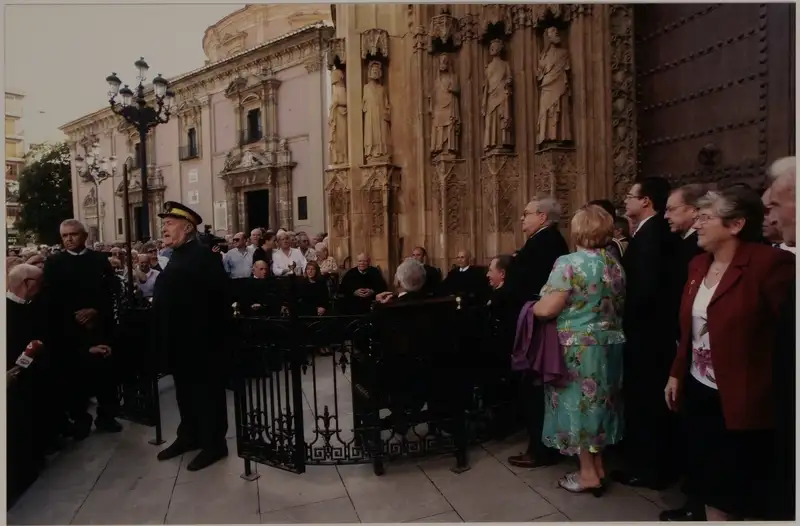
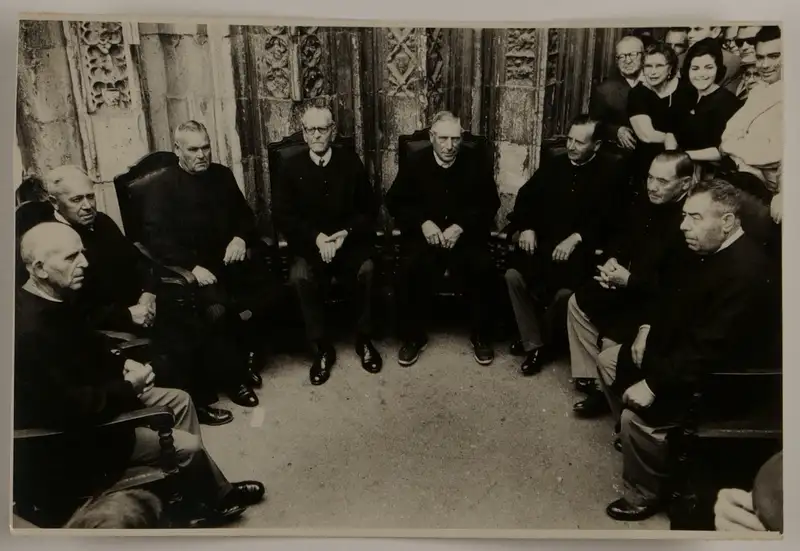
As a curiosity
there are eight now, but there was a time when there were seven canals, until the Benager-Faitanar canal split off from Quart and the number of trustees rose to eight. Today, the Chirivella canal, a branch that starts from the Mislata canal, constitutes a separate community, although its origin does not start from the same river.
It is not common for an institution of this kind to have endured over time. There are certain details that explain its perfect functioning and the reason for its survival. Some of these reasons are:
First, the Tribunal has authority not only over one canal, but over all of them.
Second, its trustees have been democratically elected from among the irrigating members of their respective community; that is, it is not a higher authority that imposes the judges, but the grassroots that choose the judge to judge them, so the most honest and fair members in fulfilling their duty are always sought.
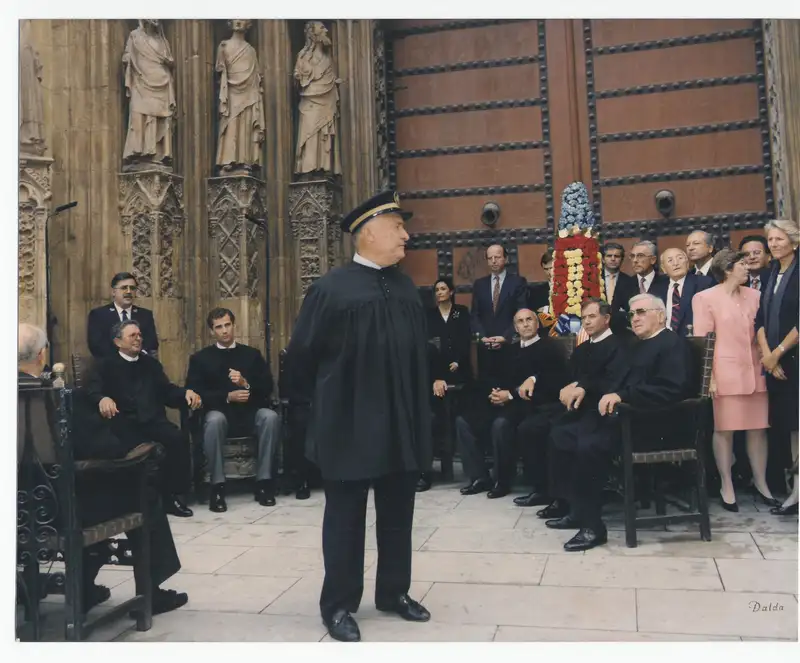
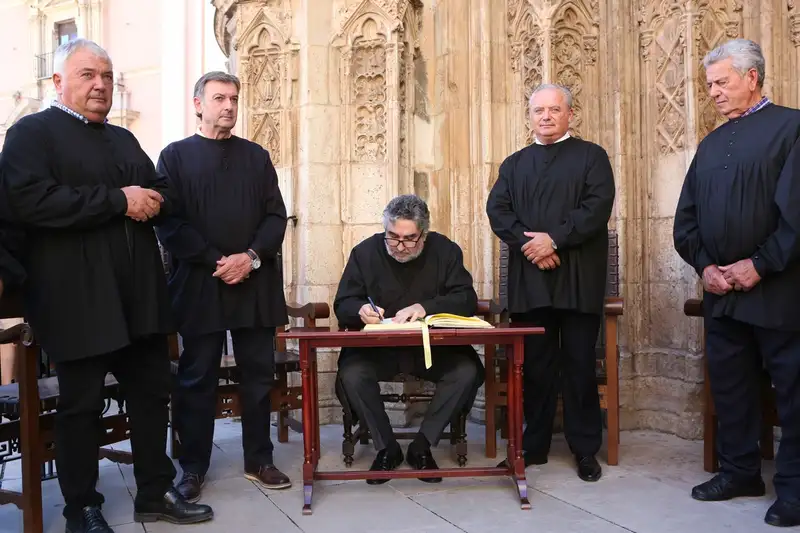
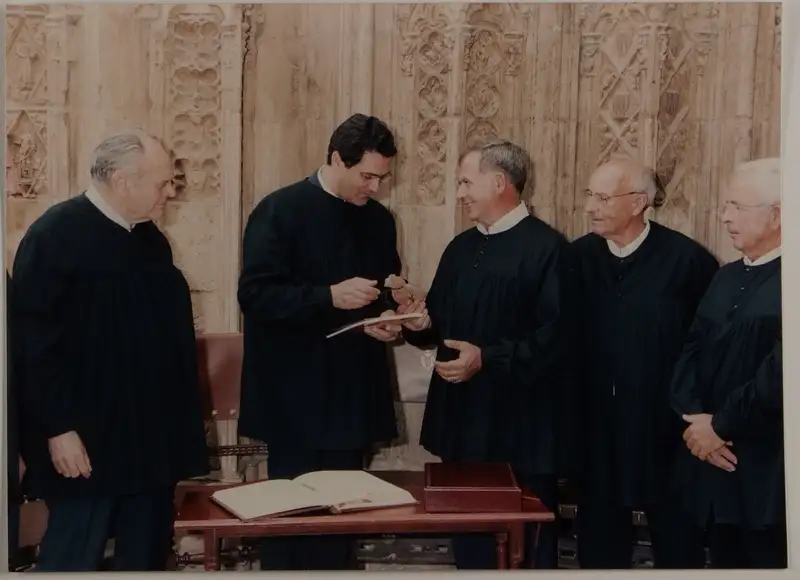
Finally, as Vicente Giner Boira (a Valencian jurist, writer and columnist with more than 55 years of professional practice and specialising in water law) points out, its members, far from being laypeople in law because they are not legally trained, are not unfamiliar with the law they must apply, based on ordinances they master perfectly and which constitute the legal corpus governing each of the Canal Communities, such as: their irrigation turns, the obligations to clean channels and canals, payment of contributions for the Community’s general expenses, among others. All of this explains its moral authority, its continuity, and the respect afforded to its rulings, which are always complied with to the point that it has never been necessary to resort to the ordinary courts to enforce them. There has even been a case in which a trustee who was a member of the Tribunal was reported to it, and he, quite naturally, removed his huerta smock, which he wears with great dignity like a magistrate’s robe, and took his place among the accused to await deliberation and judgment and, immediately afterwards, returned to his place in the Tribunal to continue with the agenda.
Legal scholars from all over the world have found in this Institution the model of optimal legal functioning; therefore, its operation and history have been addressed in various international forums and associations: “Water for Peace” (Washington, 1967); the creation of the “International Association for Water Law”, March 1968; “International Conference on Water Law Systems in the World” (Valencia, 1975–Caracas, 1976); approval of what we might call the “Water Magna Carta in the world” (Mar del Plata, Argentina, 1977); and, more recently, the congress “Water management in the 21st century”, held at the Lonja de Valencia in December 1997, as part of the many activities of the Valencia III Millennium Foundation.
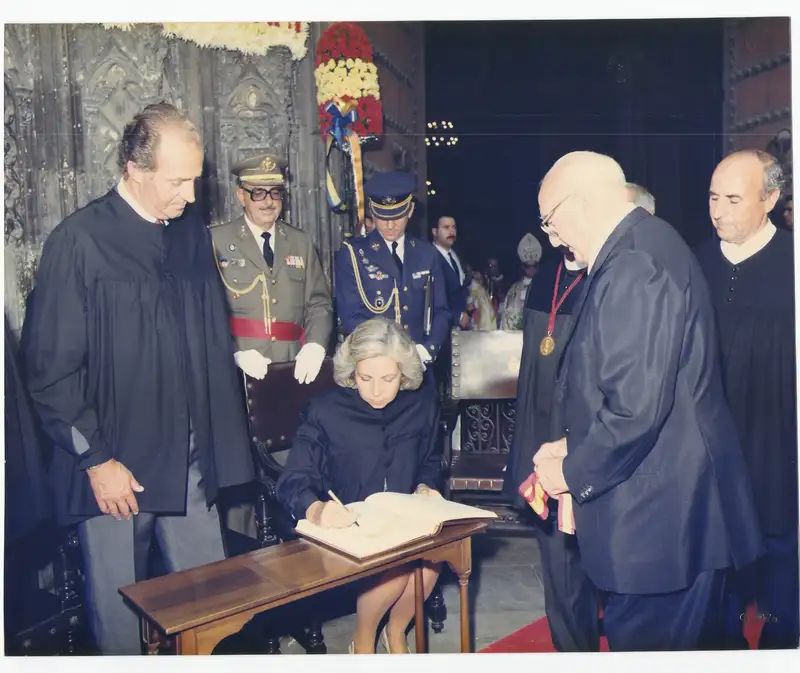
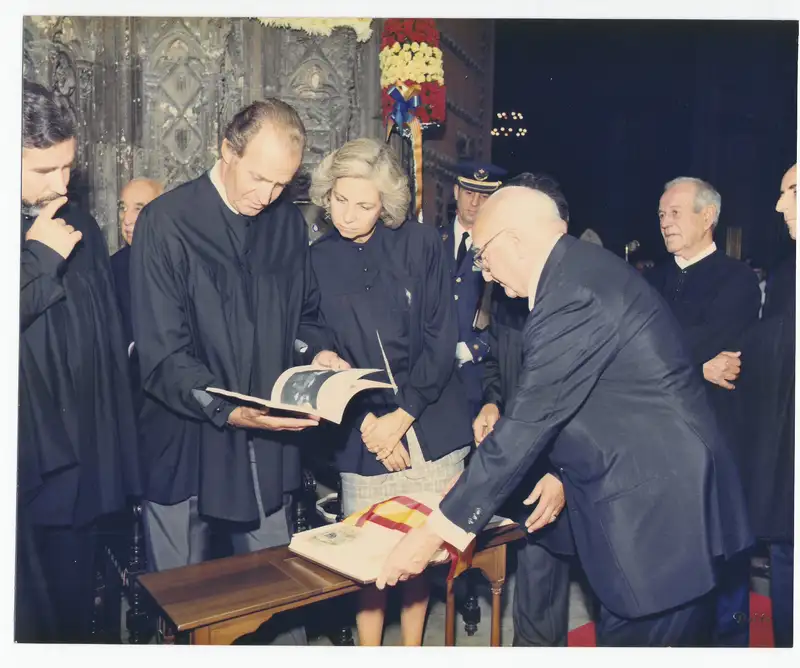
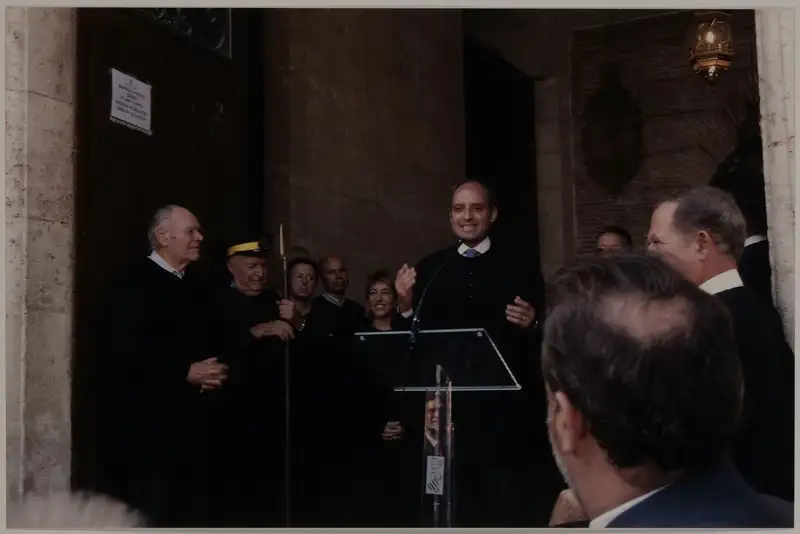
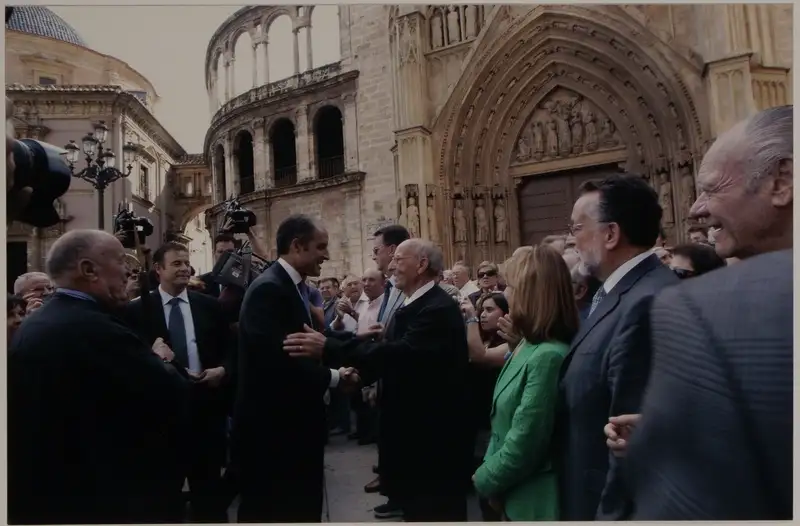
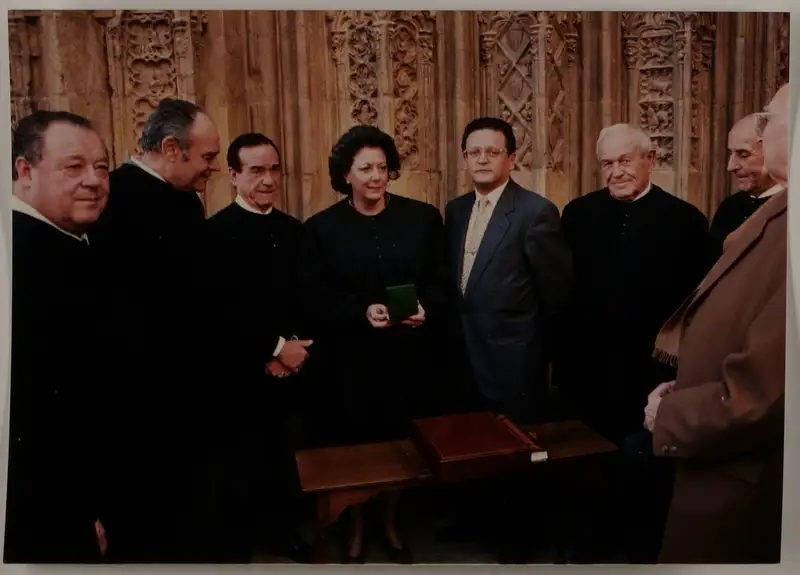
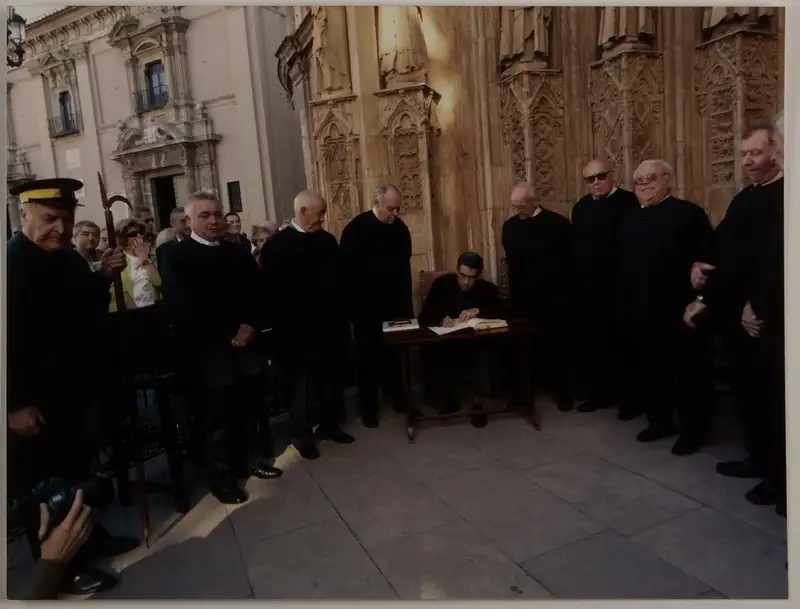
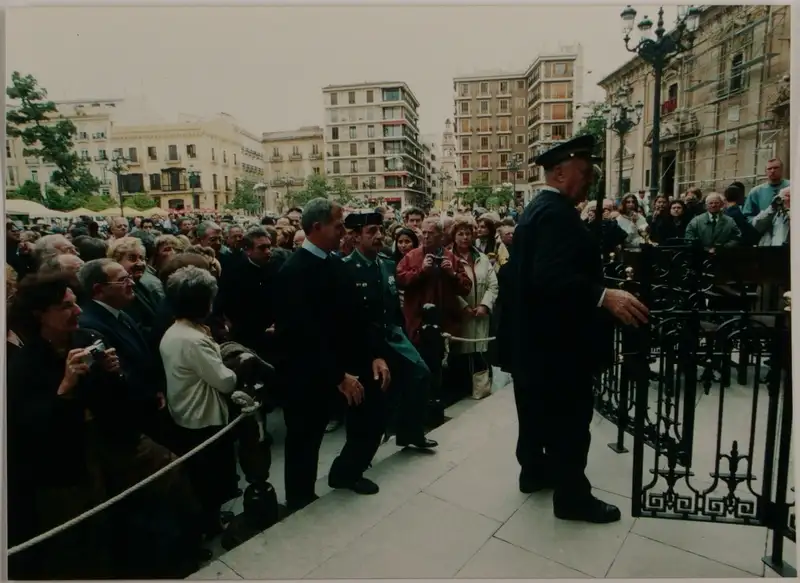
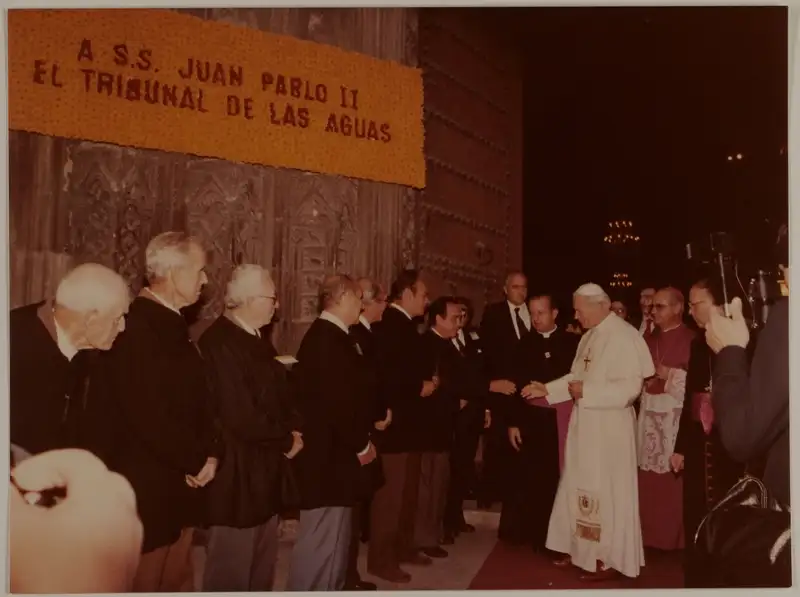
The Valencian people hold this emblematic institution in high esteem. For this reason, at that weekly gathering attended by citizens, judges, defendants and complainants, ministers, government officials, cardinals, princes and kings, as well as other recognised figures, also join—being granted the great honour of presiding over and attending the sessions of the Water Tribunal in person. It is a source of pride that the Valencian people have known how to safeguard this institution over the centuries as an integral part of the rich, varied and indisputable Valencian identity.