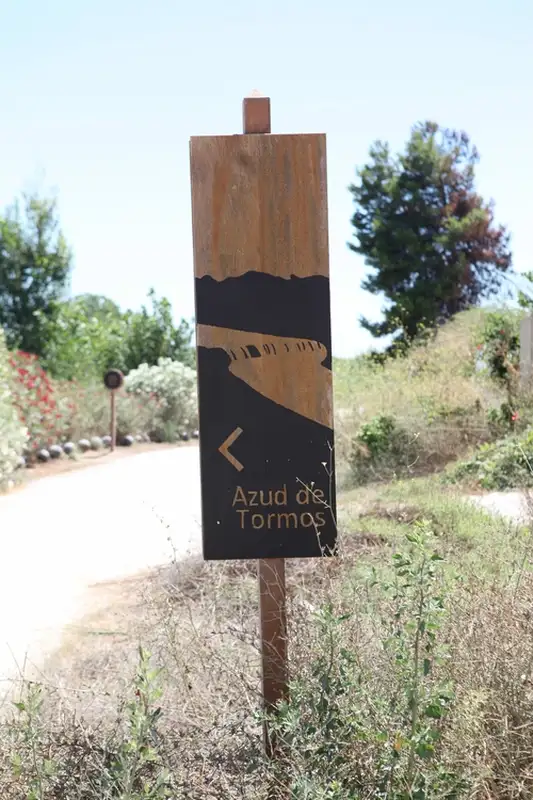
Acequia Tormos

The Tormos irrigation ditch is the first of the irrigation ditches belonging to the Tribunal de las Aguas de la Vega de Valencia that takes water from the left bank of the river Túria. It is governed by its own Ordinances approved by Royal Order dated June 10, 1843.
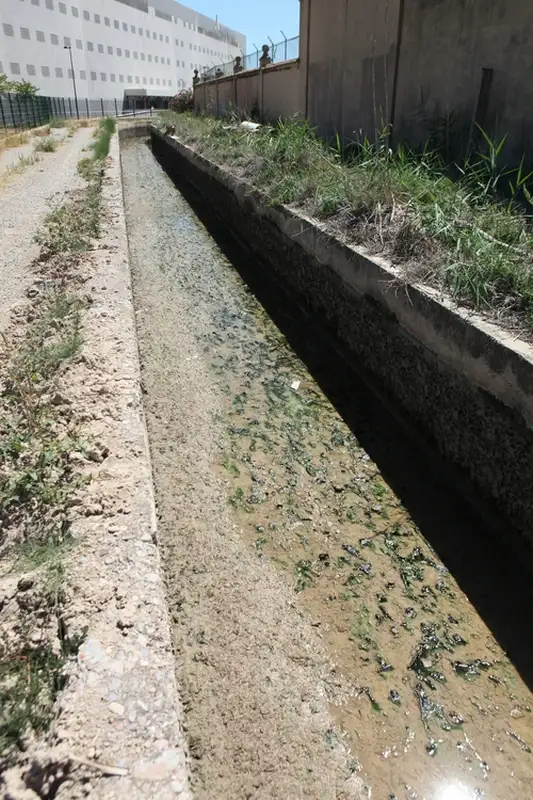
Its route extends for about twelve kilometers, from its weir in the municipality of Paterna until it flows into the Rascanya irrigation channel, in Molí de Canyars in Tavernes Blanques.
With a traditional 10-row system, and maintaining the system of “tying up at sunrise”, it irrigates the orchards of Quart along the Túria riverbed, Paterna, Godella, Burjassot, Tavernes Blanques and Valencia, and the districts of Benimamet, Beniferri, Borbotó, Poble Nou and Carpesa.
In its course, after separating from the old Turia riverbed at the point where the new riverbed begins, it begins its branching process with the branches of the Fila and Tragaor, and later in the northern area of Campanar the first major division takes place, in the Molí de Bon Any where the irrigation channel splits into the branches of Burjassot-Borbotó and Benicalap.
The Burjassot-Borbotó, on the left, goes northwest, crosses the Ademuz highway subway and comes to the surface in the Quadrat de BUrjassot, irrigating from the Burjassot-Alboergí tongues the orchards of Burjassot and Godella, then enters the area of Borbotó to irrigate the sector until it crosses the urban center and irrigates the area of Camino de Moncada and Carpesa up to Tavernes Blanques.
The one of Benicalap was later divided into the Burjassot-Benicalap branch. Currently modified due to the urbanization of the area, the irrigation in the sector of the Burjassot branch, from which the Barraques and Poble Nou branches arise, irrigating the orchards of Benicalap and Poble Nou in the southern part of the Burjassot-Borbotó branch, as well as the area further south of Carpesa until it reaches Rascanya in the Molí de Canyars and in the Barranc de la Font ravine.
The area of the Benicalap branch, from the construction of the Ronda Norte, is crossed by piping up to the Ciudad del Artista Fallero, where it passes under Juan XXIII to irrigate the orchard closest to Valencia on the old road to Godella.
At present, although the area irrigated by the Tormos irrigation channel has been significantly reduced in the late twentieth century in the part closest to the capital, its 555 hectares are still considered the best preserved sector of this part of the huerta of Valencia, concentrated in the vicinity of Benimàmet and Campanar and the orchards located between Burjassot, Borbotó and Carpesa.
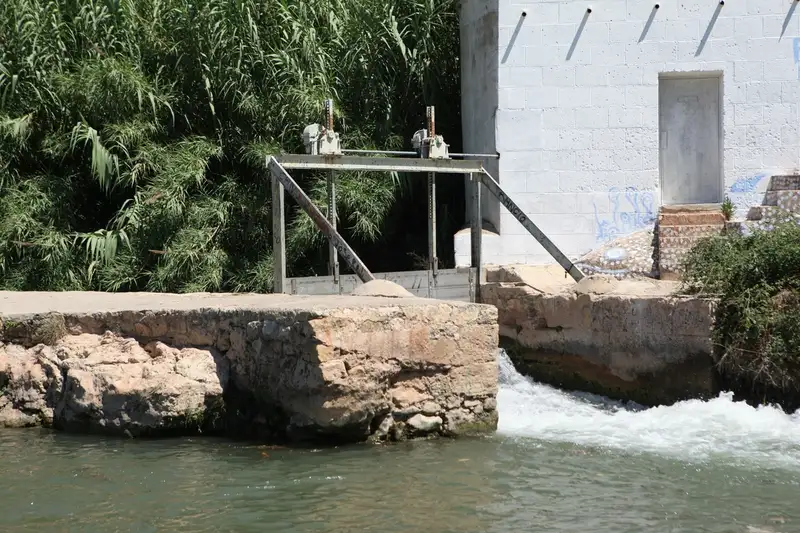
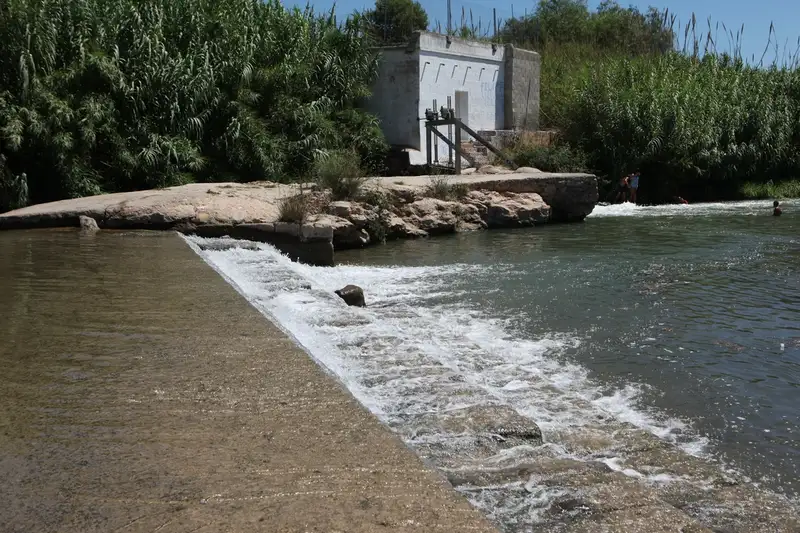
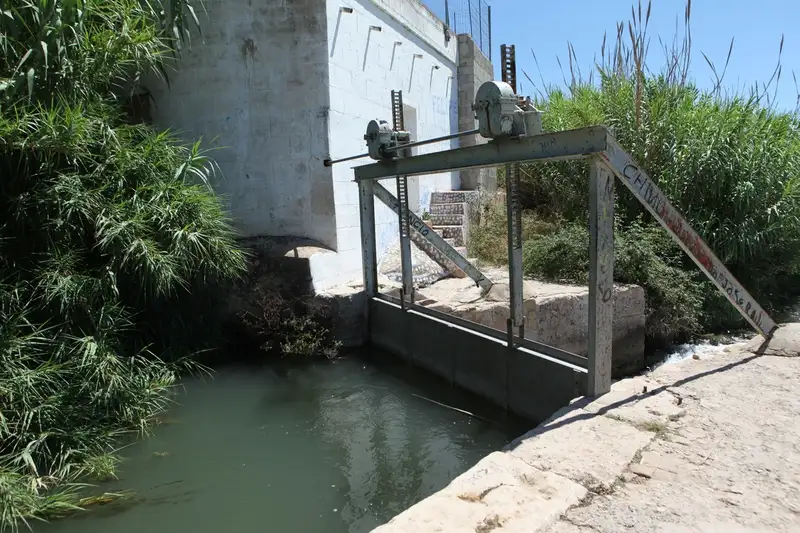
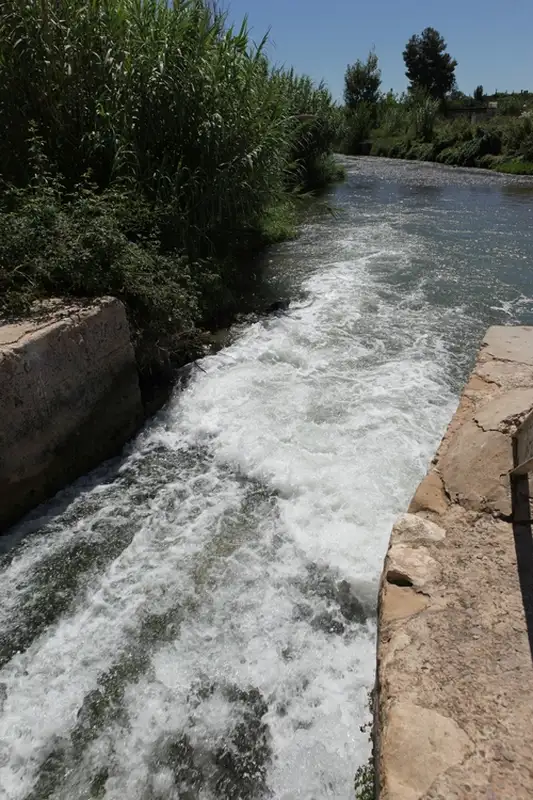
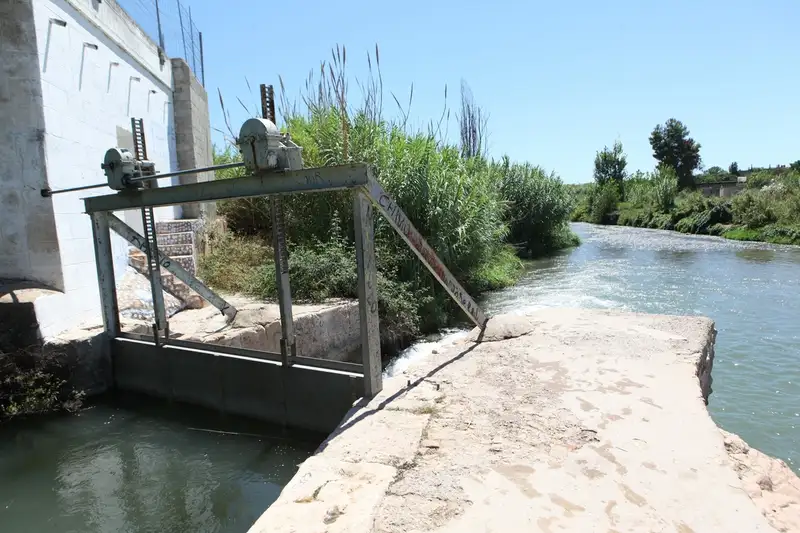
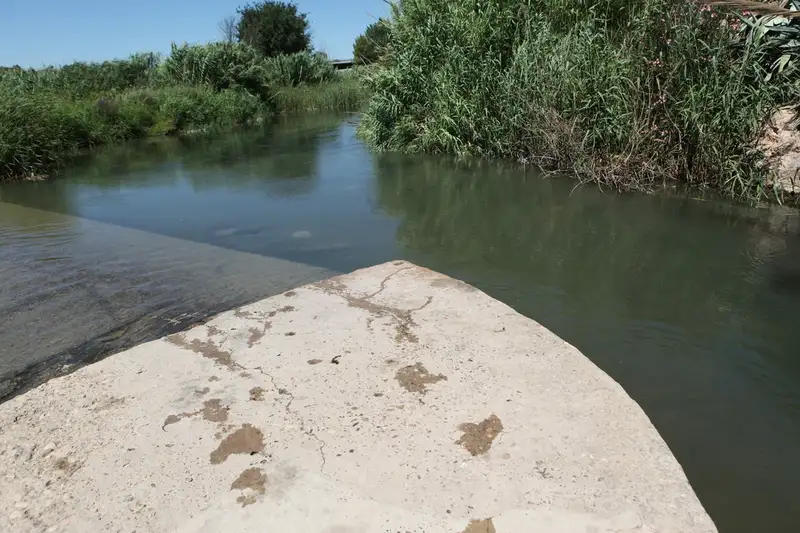
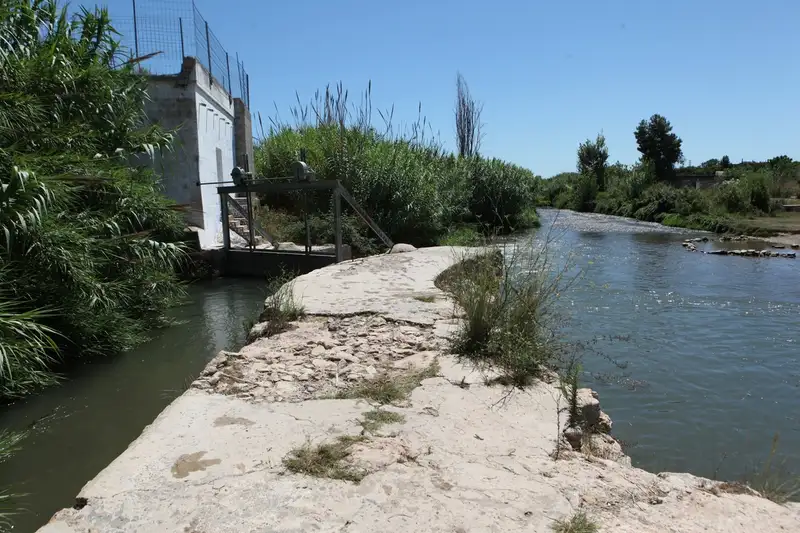
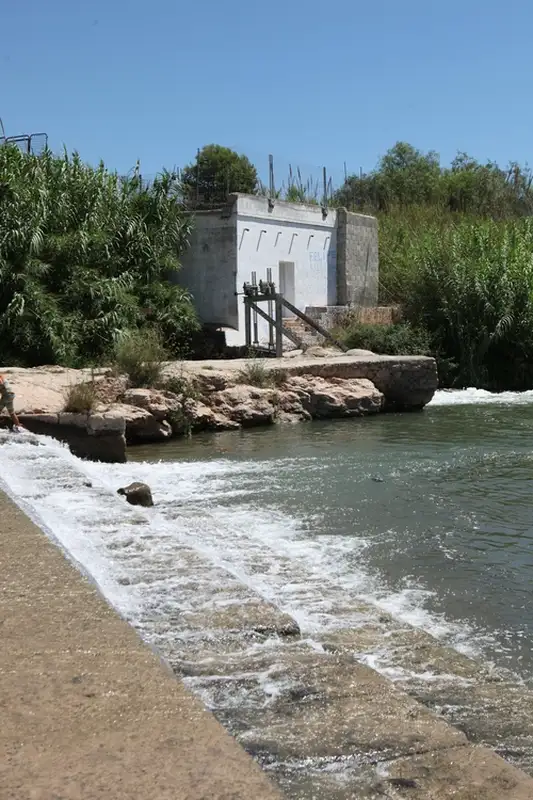
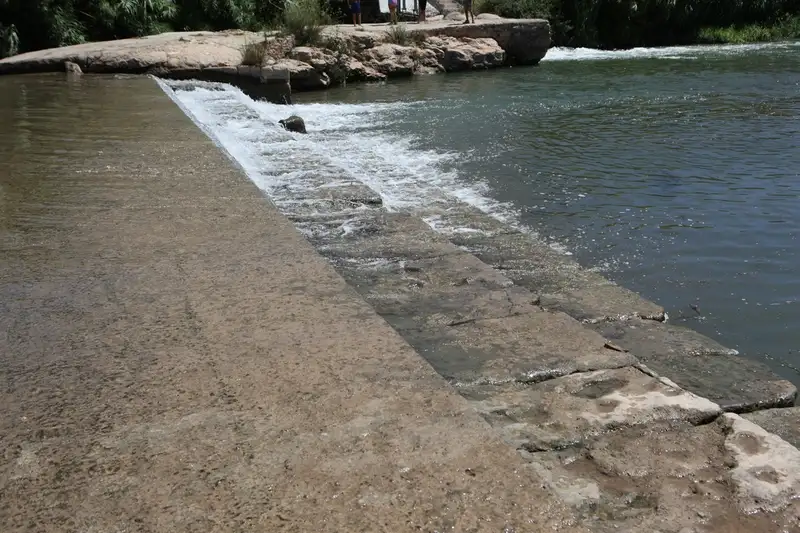
Among the heritage elements still preserved, its weir stands out, located in the Turia river between the municipalities of Manises and Paterna, and that by means of the resolution of October 7, 2004 of the General Direction of Valencian Cultural Heritage of the Department of Culture, Education and Sports, published in the BOE 291/2004 of December 12, 2004, it was included in the file of declaration of cultural interest, with category of historical set on the one hand and of monument on the other hand, initiated in favor of the azudes of the irrigation ditches of the Tribunal de las Aguas de la Vega de Valencia.
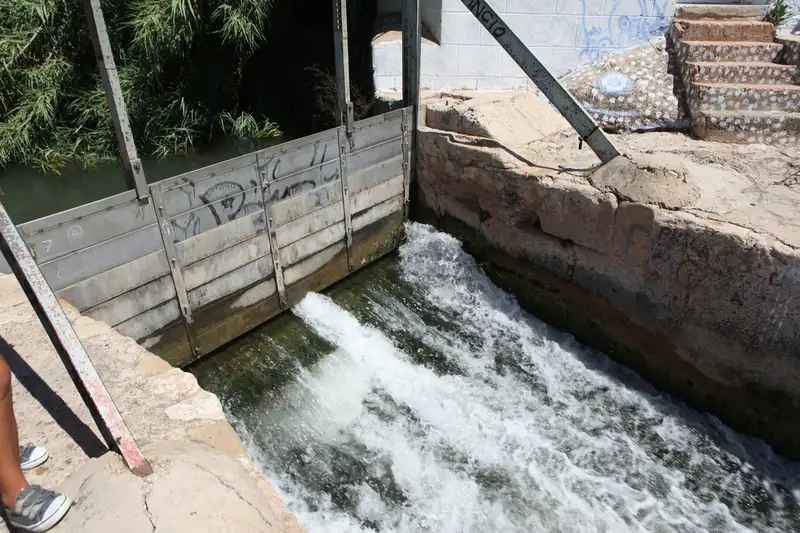
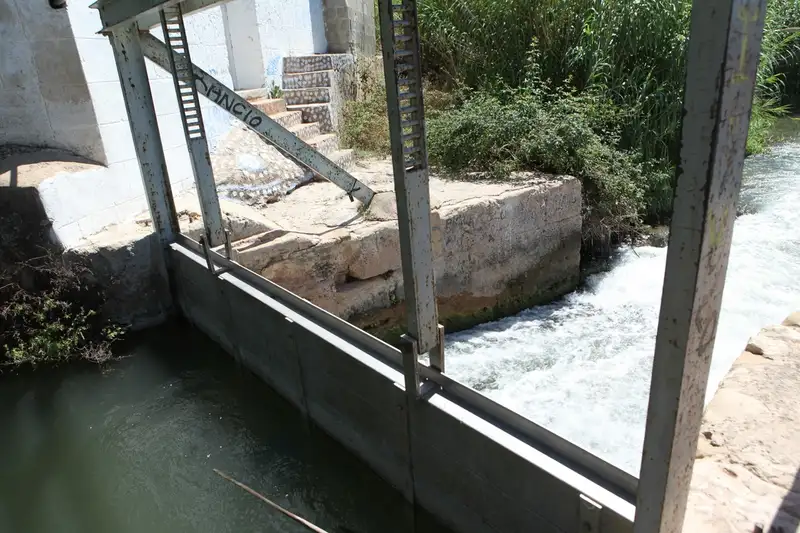
This Azud still conserves its original construction, in use since its origin, having survived the flood of 1957 and the DANA of 2024. Traditional structures such as the staircase, the gates, the floodgate and the beacon are still in operation, together with modern elements that provide it with greater functionality and that are perfectly integrated with its monumental consideration.
Of the few mills that came to be installed in this irrigation channel, due to its relative remoteness from the city, some buildings are still preserved, such as the Llobera, Colau, Sol and Bon Any mills and the Salt mill in Burjassot and the Canyars mill in Tavernes Blanques, as well as the disappeared Molí del Vado in Paterna.